 +381 11 3473652

What is glutathione and why is it important for the body

Glutathione is the body’s first line of defense against oxidative stress and toxins. Although it is naturally produced, its levels can decrease due to stress, illness, or an unhealthy lifestyle. Understanding what glutathione is can help you recognize the signs of deficiency and take timely action to support your body’s natural processes of detoxification, regeneration, and immune defense.
What is glutathione and how does it work in the body
Glutathione is a natural antioxidant produced by the body to protect cells from damage and maintain balance within the body. It is a small but powerful tripeptide that neutralizes free radicals and helps combat oxidative stress. In addition, glutathione supports the regeneration of other antioxidants, such as vitamins C and E, further enhancing cellular protection.

Where is glutathione produced and stored
In the body, glutathione is primarily synthesized in the liver, which plays a key role in detoxification. Although it is present in all cells, the highest concentrations are found in organs exposed to toxins — the liver, kidneys, and lungs. Its levels are influenced by factors such as an antioxidant-rich diet, stress, illness, and exposure to environmental pollutants.
Which cellular processes does glutathione support
Glutathione is involved in numerous vital functions that help maintain overall health:
- Neutralizing free radicals and protecting against oxidative stress
- Detoxifying heavy metals, pesticides, and other harmful substances
- Regulating cell growth, tissue repair, and apoptosis
- Activating and regenerating antioxidants like vitamins C, E, and coenzyme Q10
- Supporting the immune system and overall resilience
Due to its central role in cellular protection, glutathione is considered a key factor in preventing many chronic diseases and preserving general health.
Health benefits of glutathione
Glutathione is more than just an antioxidant — it is a fundamental defense system that protects the body from both external and internal damage. When its levels are optimal, the body functions more efficiently, recovers more quickly, and is better equipped to handle stress, toxins, and inflammation.
Powerful antioxidant protection
As the most important natural antioxidant in the body, glutathione protects cells from damage caused by free radicals and oxidative stress. This is especially important in preventing aging, degenerative diseases, and chronic inflammatory conditions.
Liver detoxification and toxin elimination
Glutathione plays a key role in the body’s detoxification process, as it helps the liver bind and eliminate heavy metals, pesticides, medications, and other harmful substances. Without sufficient glutathione, the body has a harder time breaking down toxins and becomes more vulnerable to health issues.
Immune system support
Low levels of glutathione can weaken the immune response. Adequate amounts of this antioxidant help white blood cells effectively identify and eliminate pathogens, thereby strengthening the body’s resistance to infections and viruses.
Support for skin health and slowing the aging process
Glutathione supports skin health by reducing oxidation, promoting detoxification, and aiding in cell regeneration. In some cases, it is also used for aesthetic purposes, as it may help even out skin tone and enhance radiance.
Role in recovery after illness or stress
During illness, intense physical training, or chronic stress, glutathione levels can drop sharply. Restoring its levels is essential for faster recovery, reducing inflammation, and regaining energy.
Symptoms of glutathione deficiency
Low levels of glutathione can lead to a variety of symptoms, as the body loses its ability to effectively defend itself against oxidative stress and toxins.
- Persistent fatigue and exhaustion – feeling low on energy even after rest
- Weakened immunity and frequent infections – more frequent colds and slower recovery from illness
- Dull complexion, acne, and accelerated skin aging – appearance of spots, wrinkles, and loss of elasticity
- Headaches and sensitivity to external factors – increased difficulty tolerating pollution, certain foods, and medications
- Digestive issues and bloating – the body struggles to eliminate toxins, showing signs of overload
- Heightened sensitivity to stress and chemicals – stronger reactions to everyday environmental irritants
How to check glutathione levels in the body
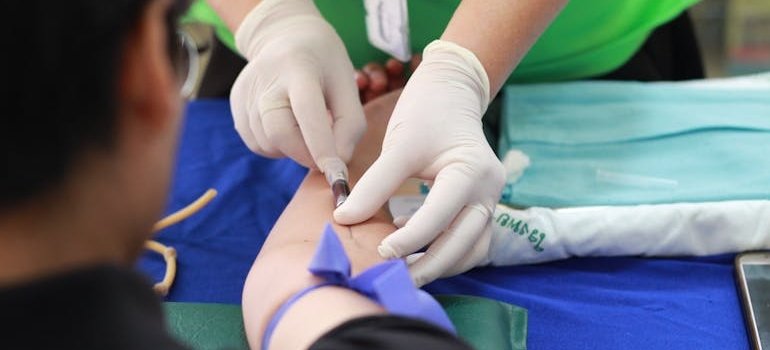
Glutathione levels are not measured through standard laboratory tests but can be accurately assessed using a specialized oxidative stress marker analysis. This test provides insight into the balance between the body’s antioxidant defense and oxidative burden.
The test typically includes the following parameters:
- TAS (Total Antioxidant Status/Capacity)
- TOP (Total Oxidative Potential/Status)
- TAS/TOP Index
- PAB (Pro-oxidant–Antioxidant Balance)
- SOD (Superoxide Dismutase)
- GSH (Glutathione)
How to naturally increase glutathione levels
When glutathione levels in the body drop, they can be restored through proper nutrition, dietary supplements, IV therapy, and healthy lifestyle habits.
Natural sources of glutathione through diet
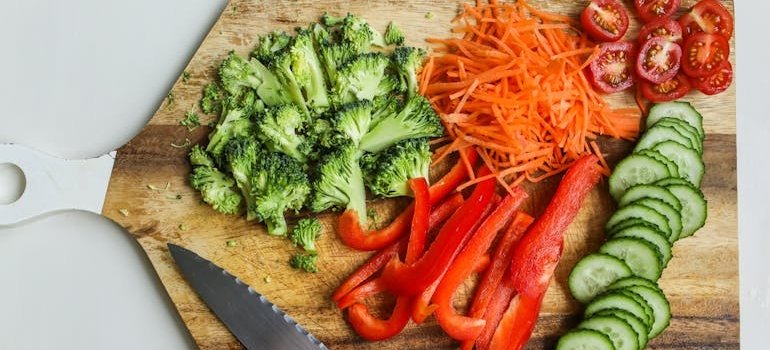
Certain foods contain building blocks essential for glutathione synthesis, especially the amino acid cysteine and minerals like selenium and zinc. Recommended foods include:
- Sulfur-rich vegetables (broccoli, garlic, onions, cabbage, kale)
- Spinach, arugula, Brussels sprouts
- Eggs, fish, and lean meats
- Nuts and whole grains
Regular consumption of these foods can help the body naturally produce more glutathione on its own.
Glutathione supplements
When diet alone is not enough, glutathione supplements or those that promote its synthesis can be used:
- NAC (N-acetylcysteine) – the most effective glutathione precursor
- Alpha-lipoic acid – supports the regeneration of glutathione
- Vitamin C, vitamin E, selenium, and zinc – strengthen the antioxidant system
- L-glutathione (reduced glutathione) – a direct form of glutathione available in capsules or powder
Supplement use is recommended in consultation with a healthcare professional, especially in cases of chronic stress, illness, fatigue, or recovery.
Glutathione IV therapy
In cases where a rapid increase in glutathione levels is needed, glutathione infusion therapy is used. This treatment is administered under controlled conditions through intravenous delivery of pure glutathione. Potential benefits may include:
- Faster detoxification of the body
- Increased energy and a sense of refreshment
- Enhanced liver and immune system support
- Positive effects on skin tone and cellular regeneration
Infusions are especially popular among individuals exposed to physical and mental stress, as well as in anti-aging and recovery programs.
Lifestyle habits that support glutathione production
Glutathione levels are influenced not only by diet and supplements, but also by daily habits:
- Moderate physical activity – stimulates the body’s natural antioxidant defense
- Quality sleep and stress management – stress depletes glutathione faster than it can be produced
- Avoiding alcohol, tobacco, and toxins – helps preserve the body’s existing glutathione reserves
Glutathione – A key ally in cellular protection
If you feel exhausted without a clear reason, the problem may not be your busy schedule — but an internal imbalance. Now that you understand what glutathione is, you can recognize its importance in daily bodily function. At IntroLab in Belgrade, an oxidative stress analysis is available to determine whether your body is lacking this essential protection. Instead of adapting to fatigue, find out what your body truly needs — and restore your energy from within.


