 +381 11 3473652

What is a urinary tract infection and how can it be recognized early?

A urinary tract infection (UTI) is one of the most common bacterial infections that affects the urinary system, including inflammation of the bladder, urethra, and even the kidneys. Although it’s often considered a “minor inconvenience,” improper or delayed treatment can lead to more serious complications, such as pyelonephritis or chronic kidney failure. That’s why it’s important to recognize the infection and begin treatment as early as possible.
What is a urinary tract infection?
A urinary tract infection (UTI) is an inflammation of one or more parts of the urinary system, caused by the entry and multiplication of bacteria (most commonly Escherichia coli) in the urethra, bladder, or kidneys.
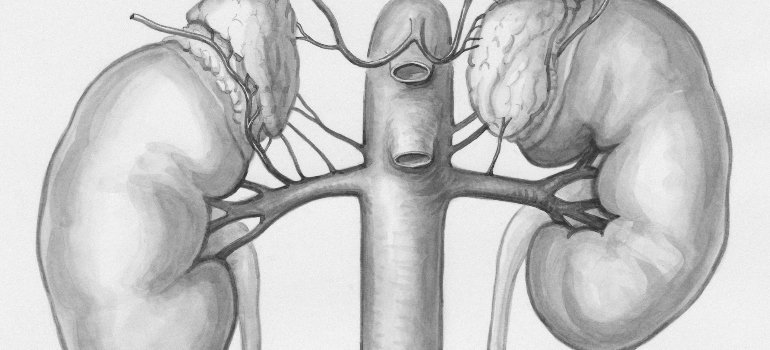
The urinary system includes:
- Kidneys (renes) – filter the blood and produce urine
- Renal pelvis – collects urine from the kidneys
- Ureters – tubes that carry urine from the kidneys to the bladder
- Urinary bladder (vesica urinaria) – stores urine until urination occurs
- Urethra – the outlet through which urine is expelled from the bladder
Bacteria most commonly enter from the outside through the urethra in an upward direction, potentially reaching the bladder or even the kidneys.
Types of urinary tract infections
Urinary tract infections are classified based on their location as those affecting the lower or upper urinary tract:
Cystitis (lower tract):
- Inflammation of the bladder
- Symptoms: burning sensation during urination, frequent urination, feeling of incomplete bladder emptying, possible presence of blood in the urine
Pyelonephritis (upper tract):
- Inflammation of the renal pelvis and kidney tissue
- Symptoms: high fever, chills, pain in the lower back, nausea, and vomiting
Distinguishing between these types is important, as pyelonephritis carries a higher risk of systemic complications and requires faster and more aggressive treatment.
Most common causes of urinary tract infections
The most common cause of urinary tract infections is the bacterium Escherichia coli, responsible for 80–90% of cases. In addition to E. coli, other bacteria from the Enterobacteriaceae family can also cause infection, such as Proteus mirabilis (which produces the enzyme urease and alters the urine’s pH), Klebsiella pneumoniae, and various species from the Enterobacter genus.
Additional causes include:
- Staphylococcus spp. (staphylococci)
- Streptococcus spp. (streptococci)
- Enterococcus spp. (enterococci)
- Bacteria from the mycoplasma group, such as Ureaplasma urealyticum and Mycoplasma hominis
In rare cases, especially in individuals with weakened immune systems, urinary tract infections can be caused by:
- Viruses – for example, adenoviruses, which can cause hemorrhagic cystitis in children and immunocompromised individuals
- Fungi – most commonly Candida albicans, usually in people with diabetes or patients undergoing long-term antibiotic therapy
Identifying the specific cause of the infection allows for a more accurate choice of treatment and more successful recovery.
Who is most likely to get a urinary tract infection
The following groups are at significantly higher risk of developing a urinary tract infection:
- Women: Due to a shorter and wider urethra, bacteria can more easily reach the bladder. During pregnancy, hormonal changes and pressure from the uterus further slow down the elimination of urine.
- Older adults: A weakened immune system, dehydration, and problems with the prostate or mobility increase the risk of urinary tract infection.
- People with diabetes: Elevated sugar levels in the urine promote bacterial growth, while a weakened immune system makes it harder to fight off infections.
- People with catheters: A catheter is a common cause of urinary tract infection, as it provides bacteria with direct access to the urinary tract—especially with long-term use.
Early symptoms of a urinary tract infection and how to recognize them in time
Recognizing the symptoms of a urinary tract infection (UTI) early can help ensure faster treatment and reduce the risk of complications. Symptoms may be obvious or subtle, so it’s important to pay attention to any changes.
Common UTI symptoms
The most frequent and earliest signs of a urinary tract infection include:
- Burning during urination – A burning or painful sensation at the start of or during urination.
- Frequent urge to urinate – An increased need to urinate, even when only small amounts of urine are passed.
- Cloudy or foul-smelling urine – Urine may appear cloudy and have a strong, unpleasant odor that differs from normal.
Subtle signs of urinary tract infections in specific groups
Sometimes, a urinary tract infection may begin with unusual, subtle symptoms, especially in vulnerable groups:
- Pregnant women: Fatigue, nausea, or mild lower abdominal pain may be the only signs of an early infection.
- Older adults: Confusion, drowsiness, or sudden mood changes can indicate an infection, even in the absence of typical symptoms.
- Children: A high fever without an obvious cause, abdominal pain, or crying during urination may be signs of a UTI.
If you notice any of these symptoms, seek medical attention promptly for proper diagnosis and treatment.

Diagnosis of urinary tract infection
Accurate diagnosis and timely treatment of a urinary tract infection (UTI) require combining clinical evaluation with appropriate laboratory and imaging methods.
Medical History and Clinical Examination
The doctor collects information about the symptoms (burning sensation, frequent urination, pain) and the patient’s overall health status. The physical examination includes palpation of the lower abdomen and assessment of any tenderness in the kidney area. Discussing risk factors helps identify the possible cause of the infection.
Laboratory methods for diagnosing UTIs:
- Urine culture: A urine sample is collected, cultured on a nutrient medium, and tested to identify the presence of bacteria and determine their sensitivity to antibiotics.
- Rapid urine culture: A faster method for detecting bacteria and selecting appropriate treatment, with results available within 24 hours.
- Physical and chemical urinalysis with sediment examination: A basic test that measures pH, color, clarity, specific gravity, and the presence of proteins, glucose, and other substances. The sediment reveals white blood cells, red blood cells, and bacteria—signs of infection.
When to perform an ultrasound and additional testing
In cases of recurrent or complicated urinary tract infections (such as pyelonephritis, suspected kidney stones, or obstructions), the doctor may recommend an ultrasound of the kidneys and urinary tract. Additionally, a CT scan, MRI, or cystoscopy may be necessary to rule out anatomical or functional abnormalities.
Treatment of urinary tract infections
Effective treatment of a urinary tract infection typically involves antibiotics prescribed based on urine culture and antibiotic sensitivity test results. The most commonly used antibiotics include:
- Nitrofurantoin – widely used for cystitis; typically prescribed for 5–7 days.
- Trimethoprim–sulfamethoxazole (TMP–SMX) – effective against E. coli; treatment usually lasts 3–5 days.
- Fosfomycin – a single-dose treatment suitable for uncomplicated lower urinary tract infections.
- Ciprofloxacin or other fluoroquinolones – reserved for more complex or upper tract infections (such as pyelonephritis), but used selectively due to potential side effects.
- Amoxicillin–clavulanic acid – an alternative option for specific bacterial strains.
It is crucial to complete the entire prescribed course of antibiotics, even if symptoms resolve early, to prevent antibiotic resistance and recurrence.
Additional measures alongside treatment
In addition to antibiotics, the following measures can help accelerate recovery and ease symptoms:
- Increased fluid intake – Drinking plenty of water (at least 2–3 liters per day) helps flush bacteria from the urinary tract and dilutes the urine, making it easier to eliminate pathogens.
- Warm compresses – Applying a warm compress or heating pad to the lower abdomen can help relieve cramping and the sensation of pressure in the bladder area, reducing discomfort during the course of the infection.
Prevention of recurrent urinary tract infections
To reduce the risk of recurrent urinary tract infections (UTIs), it is important to adopt proper hygiene habits and adjust daily routines:
- Practice good intimate hygiene
- Drink plenty of fluids
- Urinate as soon as you feel the urge
- Urinate after sexual activity
- Wear cotton underwear and avoid tight clothing
- Consider using probiotics to support healthy vaginal and urinary flora
Implementing these simple yet effective measures can significantly help prevent recurrent infections and maintain urinary tract health.

Frequently asked questions
Can a urinary tract infection go away on its own?
In mild cases of cystitis, the body may sometimes suppress the infection with adequate fluid intake. However, it is always advisable to perform a urine culture and consult a doctor.
What if the infection keeps coming back?
Recurrent infections require further diagnostics (such as ultrasound or cystoscopy) and often involve preventive antibiotic or probiotic therapy, along with lifestyle changes.
Are natural remedies effective enough?
Natural products (such as cranberry extract and probiotics) can support prevention but do not replace antibiotic treatment in confirmed infections.
Does baking soda help with urinary tract infections?
Baking soda may temporarily relieve burning by alkalizing the urine, but it does not eliminate bacteria. It’s essential to follow the treatment prescribed by your doctor.
How does sexual activity affect urinary tract infections?
Sexual activity can introduce bacteria into the urethra, so it’s important to urinate before and immediately after intercourse to flush out potential pathogens.
What natural methods are available for treating UTIs?
In addition to cranberry and probiotics, vitamin C, chamomile, and warm compresses may be helpful. However, these are supportive measures—not substitutes for antibiotics.
Which foods can help or worsen urinary tract infections?
- Helpful: water, cranberry, probiotic yogurt, and vitamin C–rich fruits.
- To avoid: caffeine, alcohol, spicy foods, and carbonated drinks, as they can irritate the bladder.
The importance of preventing urinary tract infections
Maintaining regular care of the urinary system and adopting healthy habits can significantly reduce the risk of developing a urinary tract infection. Although symptoms may seem mild, an untreated infection can lead to serious complications. Timely laboratory testing at IntroLab in Belgrade helps with early detection and the selection of appropriate treatment. An informed approach and responsible behavior remain the best form of protection.


