 +381 11 3473652

What is a stroke and how can it be prevented?

A stroke is one of the most urgent and serious medical conditions that can cause lasting health consequences and even be life-threatening. Although it often occurs suddenly, it is most commonly the result of long-term neglect of controllable risk factors. Recognizing the early symptoms and responding quickly can make a significant difference in the outcome, while preventive measures can greatly reduce the chances of a stroke occurring. Read on to learn what a stroke is, how to recognize it, and what steps you can take to prevent it.
What is a stroke
A stroke occurs when the blood supply to a part of the brain is suddenly interrupted, causing brain cells to be deprived of oxygen and begin to die. This condition requires immediate medical attention, as every minute without adequate blood flow increases the risk of permanent brain damage, disability, or death.
Types of strokes
There are three main types of strokes:
Ischemic stroke
The most common type, accounting for about 80% of all cases. It occurs when a blood clot blocks one of the arteries that supply blood to the brain. The clot can form directly in the blood vessel (thrombosis) or travel from another part of the body (embolism).
Hemorrhagic stroke
This type of stroke occurs when a blood vessel in the brain ruptures, leading to bleeding into the brain tissue. The most common cause is long-term, untreated high blood pressure, though aneurysms can also play a role.
TIA (Transient Ischemic Attack)
Often referred to as a “mini-stroke,” a TIA is a temporary interruption of blood flow to the brain, usually lasting only a few minutes. Although the symptoms resolve on their own, a TIA is a serious warning sign that there is a high risk of a full stroke.
What happens in the brain during a stroke?
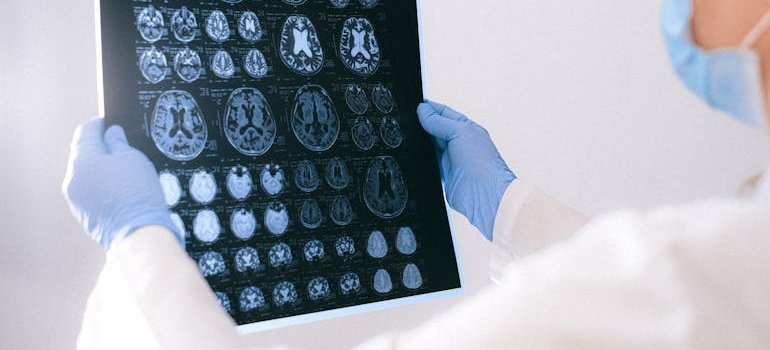
Without enough oxygen and nutrients, brain cells in the affected area begin to die within minutes. This can lead to permanent damage to the functions controlled by that part of the brain – such as speech, movement, balance, or memory. That’s why quickly recognizing the symptoms and seeking immediate medical attention is crucial to minimizing the damage and saving a life.
What are the symptoms of a stroke
A stroke often occurs suddenly, and the symptoms can be very pronounced. Recognizing these signs in time is crucial for a quick response and minimizing brain damage.
The most common symptoms include:
- Weakness in the face, arm, or leg, especially on one side of the body (e.g., a drooping mouth corner, inability to raise one arm, numbness)
- Difficulty speaking or understanding speech (slurred speech, the person doesn’t understand what is being said)
- Blurred vision or vision loss, often in one eye (double vision, sudden blindness)
- Dizziness, loss of balance or coordination (trouble walking, feeling like everything is spinning)
- Sudden severe headache with no known cause (may be accompanied by nausea, vomiting, or loss of consciousness)
FAST method: How to quickly recognize a stroke
A simple method that can help you recognize a stroke in yourself or someone else is FAST:
- F (Face) – Ask the person to smile. Is one side of the mouth drooping?
- A (Arms) – Ask the person to raise both arms. Does one arm drift downward?
- S (Speech) – Ask them to repeat a simple sentence. Does their speech sound strange or slurred?
- T (Time) – If you notice any of these signs, call emergency services immediately. Time is critical!
A quick response can save a life and reduce the risk of permanent disability.
Who is at risk
A stroke can affect anyone, but certain factors significantly increase the risk. Some of these can be controlled through lifestyle changes, while others, such as genetics or age, cannot be changed.
The most important risk factors include:
- Older age: The risk increases after the age of 55 and continues to rise with age.
- High blood pressure (hypertension): The most common cause – it damages blood vessels and increases the chance of rupture or blockage.
- Diabetes: Increases risk by damaging blood vessels and accelerating atherosclerosis.
- High blood fats (elevated cholesterol and triglycerides): Lead to plaque buildup in the arteries, which can block blood flow to the brain.
- Smoking: Narrows blood vessels, raises blood pressure, and increases the risk of blood clots.
- Excessive alcohol consumption and unhealthy lifestyle: Physical inactivity, poor diet, and obesity further worsen other risk factors.
- Genetic factors and previous stroke or TIA: If you’ve already had a stroke or have a family history of strokes, your risk is significantly higher.
How can a stroke be prevented
Most strokes can be prevented if the right measures are taken in time.
Managing chronic conditions:
- Keep your blood pressure within a healthy range
- Monitor blood sugar and cholesterol levels
Healthy lifestyle:
- Eat a balanced and nutritious diet
- Exercise regularly
- Maintain a healthy body weight
- Quit smoking and reduce alcohol intake
Preventive check-ups:
- Blood pressure measurement
- Lab tests: glucose and lipid profile (total, LDL and HDL cholesterol, triglycerides)
- ECG (electrocardiogram)
- Ultrasound of neck blood vessels (duplex scan)
Taking care of your health can significantly reduce the risk of having a stroke.
What to do if you suspect a stroke
If you notice signs of a stroke in yourself or someone else, the most important thing is to act immediately. Every minute counts, as quick intervention can significantly reduce brain damage and improve the chances of recovery.
What to do:
- Call emergency services without delay – number 194
- Do not wait for the symptoms to pass – even if the condition seems to improve temporarily
- Do not give the person water, food, or medication – it can be dangerous, especially if they have difficulty swallowing
Note the exact time the symptoms began – this information is crucial for doctors when deciding on treatment
The speed of your response directly affects the outcome. Some medications are only effective if given within the first few hours after symptoms begin, so don’t waste time hesitating.
Frequently asked questions about stroke
What are the critical days after a stroke?
The first 7 days after a stroke are considered the most critical. During this period, there is the highest risk of complications such as brain swelling, recurrent stroke, or infections. Close hospital monitoring is necessary.
What are the consequences of a stroke?
The effects depend on the severity and location of the stroke and may include problems with speech, movement, memory, vision, balance, and emotions. Some patients recover completely, while others experience long-term difficulties.
What does it mean when a stroke affects the left side of the brain?
A stroke in the left hemisphere of the brain often causes weakness on the right side of the body and difficulties with speech, reading, or writing, since the left side of the brain is responsible for language in most people.
How is a stroke treated?
Treatment depends on the type of stroke. In the case of an ischemic stroke, thrombolysis (clot-dissolving treatment) is used, while a hemorrhagic stroke is managed by controlling the bleeding and reducing pressure in the brain. Rehabilitation includes physical therapy, speech therapy, and occupational therapy.
Can speech return after a stroke?
Yes, but it depends on the extent of the damage. Speech therapy, along with patience and consistent effort, can help many patients regain their communication skills.
How long does recovery from a stroke take?
Recovery is individual. For milder strokes, it may take a few weeks, while more severe cases can take months or longer. The most significant improvement typically occurs within the first 6 months.
Do women have different stroke symptoms?
Sometimes. Women may experience atypical symptoms such as fainting, nausea, chest pain, or sudden fatigue. That’s why it’s important to pay attention even to non-specific signs.
What is the expected life expectancy after a stroke?
It depends on the severity, how quickly medical help is provided, and the quality of recovery. Many patients live for years after a stroke, especially if risk factors are well managed.
Prevention and quick action save lives
A stroke is a serious and often sudden condition that can leave lasting consequences, but the good news is that in many cases, it can be prevented. If you have risk factors or want to check your health status, you can perform tests such as lipid profile, blood sugar, and blood pressure at IntroLab Laboratory — quickly, reliably, and without waiting. Don’t wait for symptoms to appear. Taking care of your health today can save your life tomorrow. Consult a doctor and take the first steps toward a safer and healthier life.


