 +381 11 3473652

Type 1 Diabetes – Symptoms, Causes, and Treatment

Hearing a diagnosis of type 1 diabetes for the first time often brings fear and uncertainty. Still, with modern treatment and regular monitoring, life with this condition can be stable and fulfilling. Type 1 diabetes requires daily care, but with good organization and the support of doctors and family, people living with it can successfully manage school, work, sports, and family life without major limitations.
What Is Type 1 Diabetes
Type 1 diabetes is an autoimmune disease in which the immune system mistakenly attacks and destroys the pancreatic beta cells that produce insulin. Insulin is a hormone that enables glucose from the blood to enter cells and provide energy for the body. Without enough insulin, blood sugar levels rise sharply while the cells are deprived of the energy they need.
This condition most often appears in childhood, adolescence, or early adulthood, which is why it was once called “juvenile diabetes.” However, type 1 can develop at any age. Unlike type 2 diabetes, it is not linked to diet or body weight, but rather to an autoimmune process.
Because life is not possible without insulin, people with type 1 diabetes must take insulin therapy every day. Modern medical approaches, such as insulin pumps and continuous glucose monitoring sensors, have greatly improved disease management and allow individuals to live active, fulfilling lives.

Causes of Type 1 Diabetes
The exact cause is still not fully understood, but its development involves an autoimmune process. The immune system mistakenly identifies the pancreatic beta cells as foreign and gradually destroys them, leading to a loss of insulin production.
In addition to the autoimmune reaction, other factors may contribute:
- Genetic predisposition – People with close relatives who have type 1 diabetes are at higher risk, although genetics alone are not enough to cause the disease.
- Environmental factors – Certain viruses, such as mumps, rubella, or enteroviruses, may trigger an autoimmune response.
- Early childhood diet – Some research suggests that exposure to specific proteins in early life may play a role, though this has not been fully confirmed.
- Other factors – Stress and environmental influences may help trigger the disease in people who are genetically predisposed.
Type 1 diabetes is not related to body weight, poor diet, or physical inactivity, which clearly distinguishes it from type 2 diabetes.
Symptoms of Type 1 Diabetes
Type 1 diabetes usually develops suddenly, and symptoms can become noticeable within a few weeks. In children, changes often appear rapidly, while in adults they may develop more gradually.
The most common symptoms include:
- frequent urination (polyuria)
- increased thirst and dry mouth
- sudden weight loss despite increased appetite
- fatigue and weakness
- blurred vision
In addition to these signs, mood changes, irritability, or difficulty concentrating may also occur, especially in children and adolescents.
If type 1 diabetes is not diagnosed in time, symptoms can progress to a condition known as diabetic ketoacidosis. This serious complication is marked by nausea, vomiting, abdominal pain, rapid breathing, and a fruity or acetone-like odor on the breath, and it requires urgent medical care.
Diagnosis of Type 1 Diabetes
A diagnosis is based on a combination of symptoms and laboratory tests that measure blood sugar levels and the presence of antibodies.
The most commonly used tests include:
- Blood glucose test – Elevated levels indicate diabetes.
- HbA1c test – Reflects the average blood sugar level over the past 2–3 months.
- Autoantibody tests – Detect whether the immune system is attacking the pancreas.
- C-peptide test – Measures how much insulin the pancreas is producing.
Together, these results help distinguish type 1 from other forms, particularly type 2 diabetes and MODY. Making a timely diagnosis is essential for starting appropriate treatment and preventing complications.

Treatment of Type 1 Diabetes
Type 1 diabetes cannot be cured, but it can be effectively managed with daily insulin therapy and careful monitoring of blood sugar levels. The goal of treatment is to maintain stable glucose levels and prevent complications.
The most common treatment approaches include:
- Insulin – Administered through injections or an insulin pump, with dosage and regimen tailored to each individual.
- Blood sugar monitoring – Regular checks using a glucose meter or continuous glucose monitoring systems.
- Nutrition – Meal planning aligned with insulin use and the body’s energy needs.
- Physical activity – Regular exercise supports better blood sugar control and overall health.
Ongoing support from an endocrinologist and patient education are essential for daily disease management. With proper treatment and a healthy lifestyle, people with type 1 diabetes can live active, fulfilling lives.
Possible Complications of Type 1 Diabetes
If type 1 diabetes is not properly managed, high blood sugar levels can, over time, damage various organs and systems. These complications usually develop gradually and can significantly impact quality of life.
The most common complications include:
- Hypoglycemia – A sudden drop in blood sugar, often caused by too much insulin, skipping meals, or intense physical activity. It may lead to sweating, shaking, confusion, and, in severe cases, loss of consciousness.
- Hyperglycemia and ketoacidosis – Extremely high blood sugar levels can result in a serious condition called diabetic ketoacidosis, which requires immediate medical treatment.
- Blood vessel and nerve damage – Long-term high blood sugar increases the risk of heart disease, stroke, kidney damage (diabetic nephropathy), eye damage (retinopathy), and peripheral nerve damage (neuropathy).
- Foot problems – Poor circulation and nerve damage can slow wound healing, raising the risk of infections.
With regular monitoring, adherence to treatment, and a healthy lifestyle, the risk of these complications can be greatly reduced, allowing people with type 1 diabetes to live long and stable lives.
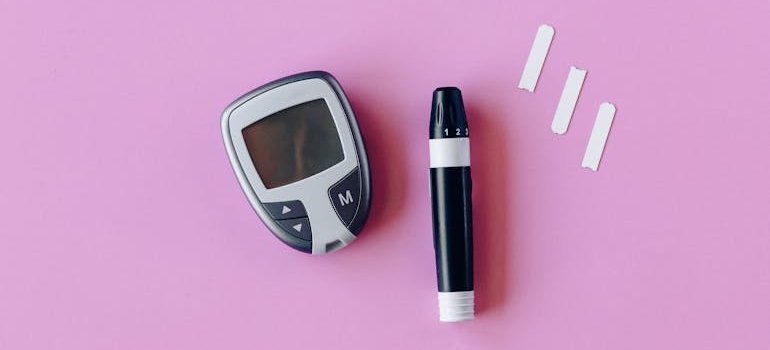
Difference Between Type 1 and Type 2 Diabetes
The key difference between type 1 and type 2 diabetes lies in their cause and the way the disease develops. Type 1 diabetes is an autoimmune condition in which the immune system destroys the pancreatic cells that produce insulin. As a result, the body is left without this hormone and depends on lifelong insulin therapy. It most often appears in childhood, adolescence, or early adulthood and develops suddenly.
Type 2 diabetes develops as a result of insulin resistance – the body still produces insulin, but the cells do not respond to it properly. Risk factors include obesity, poor diet, physical inactivity, and genetics. While insulin is required from the very beginning in type 1 diabetes, type 2 diabetes is often managed in its early stages through lifestyle changes and oral medications, with insulin therapy sometimes needed later on.
Living With Type 1 Diabetes
Type 1 diabetes is a chronic condition that requires lifelong insulin therapy and regular health monitoring. While there is no cure, with timely diagnosis, modern treatment, and a well-adapted lifestyle, it is possible to live a stable, healthy, and long life. Education, discipline, and continuous communication with a doctor are the foundation of successful disease management and reducing the risk of complications.
Regular laboratory monitoring of blood glucose, HbA1c levels, and other key parameters is essential for proper control. That is why having a reliable diagnostic partner is so important—IntroLab in Belgrade provides fast, accurate, and detailed testing, making it easier for patients to track their condition on time and work with their doctors to make the best treatment decisions.


