 +381 11 3473652

Sexually Transmitted Diseases: Everything You Should Know

One topic that often sparks both curiosity and concern is sexually transmitted diseases (STDs). These “plagues” of the modern age are, unfortunately, a part of everyday life for many people. However, due to the sensitive nature of the subject, they are rarely discussed openly, and the information available is often insufficient. IntroLab is here to shed light on these diseases. You’ll learn what they really are, how they are transmitted, and most importantly, how they can be treated and prevented.
What Are Sexually Transmitted Diseases?
Sexually transmitted diseases (STDs), also known as sexually transmitted infections (STIs), are a group of infections that are most commonly spread through unprotected sexual contact – whether vaginal, anal, or oral. These infections can be caused by different pathogens: bacteria, viruses, fungi, or parasites, and can affect the genital, anal, and oral areas of the body.
What they all have in common is that they are transmitted from person to person through sexual contact. However, symptoms often do not appear right away, which makes timely detection and treatment more difficult. That’s why it’s important to understand what STDs are, how they are transmitted, and what consequences they can lead to if left untreated.
How Are Sexually Transmitted Diseases Transmitted?
Although the name suggests their primary mode of transmission, sexually transmitted infections (STIs) are not spread exclusively through sexual contact. The mode of transmission depends on the type of infection and the risk-related behaviors involved.
Most commonly, transmission occurs during direct sexual contact, when bodily fluids (such as semen, vaginal secretions, or blood) containing viruses, bacteria, or other pathogens are exchanged. However, this is not the only possible route of transmission.
STDs can also be transmitted through:
- Skin-to-skin or mucous membrane contact with an infected person, especially if there are cuts or abrasions that allow pathogens to enter the body
- From mother to child during pregnancy, childbirth, or breastfeeding
- Sharing needles or other objects that come into contact with infected bodily fluids
Types of Sexually Transmitted Diseases You Should Know About
Today, there are over 30 known sexually transmitted diseases (STDs), but not all are equally common or dangerous. The most prevalent are infections caused by bacteria, viruses, and parasites, and each comes with specific symptoms, methods of transmission, and treatment options.
Here are the most common STDs to help you recognize them and take timely action:
- HIV/AIDS – a virus that attacks the immune system
- Herpes – a viral infection with painful blisters
- Chlamydia – a silent bacterial infection
- Gonorrhea – a bacterial disease with frequent complications
- Syphilis – a bacterial infection that progresses in stages
- HPV infections – the most widespread STIs, with a risk of cancer
- Mycoplasma and Ureaplasma – bacteria that often show no symptoms
Each of these infections spreads differently and follows its own course, which is why education about STDs is essential; not just for those who suspect an infection, but for anyone who wants to prevent complications through awareness, prevention, and regular testing.
AIDS (Acquired Immune Deficiency Syndrome)
HIV (Human Immunodeficiency Virus) is a well-known virus that attacks the immune system, reducing the body’s ability to fight off infections and diseases. Over time, in individuals infected with HIV, the virus can progress to AIDS (Acquired Immune Deficiency Syndrome), which occurs when the immune system is severely weakened.
HIV is transmitted through sexual contact, blood, or from mother to child during pregnancy, childbirth, or breastfeeding. Early symptoms may include fever, sore throat, and swollen lymph nodes. However, it’s not uncommon for someone to live with the virus for years without knowing, as it can remain latent for a long time before becoming active.
While there is currently no official cure for AIDS, antiretroviral therapy can significantly slow the disease’s progression. So far, two people worldwide have been successfully cured, and several ongoing clinical trials offer hope that a permanent cure may be on the horizon.
Herpes
Genital herpes is caused by the herpes simplex virus (type 1 or type 2) and is characterized by painful blisters and sores on the genital area. The virus is transmitted through sexual contact, and symptoms may include pain, itching, and discomfort. While herpes cannot be cured, antiviral medications can help reduce the frequency and severity of symptoms. Once a person is infected, the virus remains in the body and can reactivate during periods of weakened immunity.
Gonorrhea
Gonorrhea is a bacterial infection that often presents without symptoms, especially in women. When symptoms do appear, they typically include painful urination and unusual genital discharge. Gonorrhea is treated with antibiotics, although drug-resistant strains are becoming increasingly common.
Chlamydia
Chlamydia is another bacterial infection that often shows no symptoms. Similar to gonorrhea, when symptoms do appear, they may include painful urination and unusual genital discharge. Treatment involves antibiotics, and it is important that both partners are treated simultaneously.
Mycoplasma and Ureaplasma
Genital mycoplasmas and ureaplasmas (Mycoplasma hominis/genitalium, Ureaplasma parvum/urealyticum) are the smallest known bacteria capable of surviving without a host. They are primarily transmitted through sexual contact. A distinctive feature of these pathogens is that they often cause no symptoms, which means many people are unaware they are infected.
If left untreated, these bacteria can lead to infertility in both men and women. In women, they may cause infections of the uterine tubes and frequent miscarriages, while in men, they can reduce sperm motility and count.

Syphilis
Syphilis is a bacterial infection that progresses through several stages, including sores, rashes, and – if left untreated – serious health problems in later stages. It is treated with antibiotics, typically penicillin.
Diseases Caused by the HPV Virus
Human papillomavirus (HPV) is the most common sexually transmitted infection. Many HPV types cause no symptoms and clear on their own. Some strains can lead to genital warts (condylomas), which, while uncomfortable, are not considered dangerous. However, certain types can lead to cancer, most commonly cervical cancer.
Fortunately, vaccines are now available to help prevent the most dangerous HPV strains. In cases of infection, HPV genotyping is recommended—an analysis that identifies the highest-risk types of the virus, particularly genotype 16 and genotype 18, which are known causes of cancer.
Symptoms of Sexually Transmitted Diseases
STD symptoms can vary depending on the type of infection, the individual’s sex, and their overall health. In some people, symptoms may appear just a few days after a high-risk encounter, while in others, the infection may remain silent and go unnoticed for months. This is what makes STDs particularly dangerous – they can spread without the infected person even knowing.
Common symptoms of sexually transmitted diseases include:
- Burning or pain during urination
- Unusual discharge from the vagina or penis
- Itching, redness, or rash in the genital area
- Sores, blisters, or ulcers on the genitals, anus, or lips
- Pain during sexual intercourse
- Bleeding between menstrual cycles (in women)
- Swollen lymph nodes, especially in the groin
- Fever or general fatigue
Many asymptomatic STDs can lead to serious complications if not detected in time – such as infertility, pregnancy issues, or internal organ damage.
That’s why recognizing the signs of STDs and not relying solely on visible symptoms is crucial. Regular checkups and testing remain the most reliable way to ensure your sexual health, especially if you have multiple partners or a new partner.
How Long Is the Incubation Period for STDs?
One of the most common questions about sexually transmitted diseases is: how long is the incubation period, and when can the first symptoms appear?
STD Incubation Period
The incubation period refers to the time between exposure to an infection and the appearance of the first symptoms. For some STDs, symptoms can appear very quickly, while for others, it may take weeks or even months:
- Gonorrhea and Chlamydia – 2 to 14 days
- Herpes – 4 to 7 days (though the virus can remain dormant much longer)
- Syphilis – approximately 3 weeks
- HIV – symptoms may develop after a few weeks, but the infection can remain unnoticed for years
- HPV – often shows no symptoms, and the incubation period can last for months
Because of this variability, it’s important not to wait for symptoms. Getting tested after a high-risk encounter is the most reliable way to detect an infection early.
Are STDs Curable?
The answer depends on the specific infection. Many STDs are curable, especially when diagnosed early. The duration and success of treatment depend on the type of infection and how soon it is identified:
- Bacterial STDs (such as gonorrhea, chlamydia, and syphilis) are often successfully treated with antibiotics, typically within a few days to two weeks.
- Viral STDs (like herpes, HIV, and HPV) cannot be completely cured, but they can be effectively managed with medications that reduce symptoms and lower the risk of transmission.
- In chronic cases like HIV, treatment is lifelong. However, modern therapies enable individuals to live long, healthy lives with minimal risk of spreading the virus.
Prevention of Sexually Transmitted Diseases
Preventing sexually transmitted diseases is a key part of maintaining both sexual and overall health, and it starts with education. While no method offers 100% protection, there are proven strategies that significantly reduce the risk of infection.
How to Protect Yourself from STDs
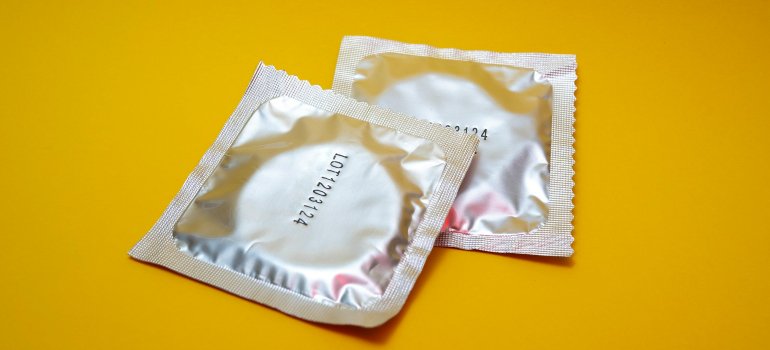
One of the most effective ways is the consistent and correct use of condoms during every sexual encounter—whether vaginal, anal, or oral. Condoms act as a physical barrier that prevents contact with infected bodily fluids and mucous membranes. In this way, they offer protection not only from bacterial and viral infections but also from those transmitted through skin-to-skin contact, such as herpes and HPV.
Regular STD Testing
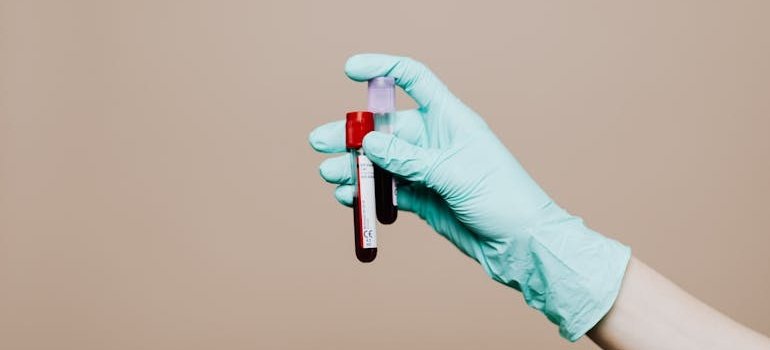
Prevention doesn’t only involve protection during intercourse – it also includes timely testing. This is especially important for individuals with multiple sexual partners, those starting a new relationship, or anyone who has had a high-risk exposure.
At IntroLab, testing is available for the 12 most common STIs. A key advantage of this test is that, for men, samples can be collected from urine or ejaculate, offering a more comfortable and less invasive alternative to traditional urogenital swabs.
Other preventive measures include:
- Open communication with your partner about sexual health
- Reducing the number of sexual partners
- Vaccination – especially against HPV, which can help prevent cervical cancer and other conditions
- Avoiding the sharing of personal items like razors and toothbrushes
Common Questions About STDs
Can STDs be transmitted through kissing?
Some infections, like herpes, can be transmitted through kissing, especially if sores or blisters are present. It’s important to pay attention to symptoms outside the genital area as well.
Can I have an STD without symptoms?
Yes. Many infections, such as chlamydia and HPV, often have no visible symptoms and can only be detected through testing.
Can STDs be transmitted through oral sex?
Yes, infections such as herpes, syphilis, gonorrhea, and HPV can be transmitted through oral sex, especially if protection is not used. Symptoms may appear in the mouth, throat, or on the lips.
Does a Pap test detect STDs?
A Pap test does not detect all STIs. It analyzes cervical cells and may indicate the presence of HPV, but other infections require specialized tests such as PCR analysis or swabs.
How can you recognize an STD?
Common signs include pain during urination, unusual discharge, itching, rash, sores on the genitals, and lower abdominal pain. However, many infections have no symptoms – making testing essential.
Are there STDs that can be transmitted even when using a condom?
Yes. While condoms significantly reduce the risk, they are not 100% protective. Infections transmitted through skin-to-skin contact, such as herpes, HPV, or syphilis, can still spread if contact occurs outside the area covered by the condom.
Is gentamicin ointment used for STDs?
Gentamicin ointment is used to treat certain bacterial infections of the skin and mucous membranes, but it is not a universal treatment for sexually transmitted diseases. Its use should be determined by a doctor, depending on the type and location of the infection.
Are there hereditary STDs?
No, STDs are not hereditary in a genetic sense. However, some infections can be passed from mother to child during pregnancy, childbirth, or breastfeeding. This applies to HIV, syphilis, herpes, and HPV, which is why it’s important for pregnant women to be tested in time to reduce the risk of transmission to the baby.
Where to get tested for sexually transmitted infections?
At IntgroLab in Belgrade, tests are available for all common sexually transmitted infections—both individually and as part of comprehensive panels. You can get tested for HIV, hepatitis, chlamydia, gonorrhea, syphilis, and other infections based on your symptoms or as a preventive check. Testing is discreet, fast, and professionally done, with results delivered promptly.
The Fight Against Sexually Transmitted Diseases Is Both Personal and Collective
As we close this topic, it’s clear that sexually transmitted diseases represent a complex and serious public health challenge in modern society. One of the reasons they are difficult to address is that they remain a taboo subject. To make information more accessible to everyone, we need to collectively break the stigma that often surrounds these diseases and open up honest conversations. Ultimately, information, especially about prevention and early detection, is the most powerful tool we have in the fight against STDs.


