 +381 11 3473652

Prenatal Tests – Everything You Need to Know

Pregnancy is a time filled with joy, but it also comes with many important decisions about the health of both the mother and the baby. One of the most critical choices is selecting the right prenatal tests, which can help identify potential developmental issues in the baby early on. Common questions among expecting parents include: What are prenatal tests? When and why should they be done? Which test is best? In this article, we’ll cover everything you need to know about prenatal tests, including the different types, when they should be performed, and the valuable insights they can provide.
What are prenatal tests?
Prenatal tests are medical procedures performed during pregnancy to evaluate the health and development of the fetus. These tests assist doctors and expectant parents in making informed decisions, planning the necessary care, and preparing for potential pregnancy-related challenges. Additionally, prenatal tests can detect genetic abnormalities and chromosomal disorders, enabling early intervention and proper preparation for the baby’s arrival.

Genetic abnormalities
Prenatal tests are commonly used to detect various genetic disorders caused by mutations in the fetus’s DNA. These disorders can either be inherited or develop spontaneously during pregnancy. Prenatal testing can help identify the risk of:
- Metabolic disorders: Conditions like phenylketonuria or galactosemia, which affect the body’s ability to process certain substances.
- Neuromuscular disorders: Such as muscular dystrophy, which impacts muscle tone and function.
- Congenital anomalies: Including heart defects or skeletal deformities.
- Monogenic disorders: Such as cystic fibrosis, hemophilia, or sickle cell disease.
Chromosomal disorders
Chromosomal disorders arise from abnormalities in the number or structure of chromosomes, leading to various health problems and developmental challenges. Prenatal tests are effective in identifying these disorders, including:
- Down syndrome (Trisomy 21): Caused by an extra 21st chromosome, it results in intellectual disabilities, distinct physical characteristics, and a higher risk of health issues such as heart defects.
- Edwards syndrome (Trisomy 18): A rare condition causing severe developmental issues, often associated with a high mortality rate in the first few months of life.
- Patau syndrome (Trisomy 13): Leads to serious developmental abnormalities, including heart defects and brain malformations.
- Turner syndrome: Affects girls and occurs when one X chromosome is missing, causing growth and fertility problems.
- Klinefelter syndrome: Affects boys with an extra X chromosome, impacting sexual development and fertility.
Infections and other health complications
Certain prenatal tests can detect infections that may impact the development of the fetus, including:
- Toxoplasmosis
- Cytomegalovirus
- HIV
Determining baby’s gender
One benefit of prenatal testing is the ability to determine the baby’s gender early in pregnancy. This information can be available as early as the 10th week, allowing parents to learn whether they are expecting a boy or a girl. While knowing the gender isn’t medically necessary, many parents opt for this feature to better plan for the baby’s arrival.
Types of prenatal tests
Prenatal tests are generally divided into two categories: screening tests and diagnostic tests. Both are important for evaluating the health of the fetus, but they differ in the type of information they provide and the level of accuracy in their results.

Screening prenatal tests
Screening tests are used to estimate the probability that a fetus has a genetic or chromosomal disorder, but they do not provide a definitive diagnosis. These tests are non-invasive, meaning they do not pose any risk to the pregnancy, and typically involve a blood test from the mother, ultrasound, and other methods. The results offer a risk assessment, allowing doctors to decide if further testing is necessary.
Common examples of screening prenatal tests include:
- Hormonal and biochemical tests, which analyze the mother’s blood for certain hormones and markers.
- The combined test (biochemical screening in the first trimester + ultrasound).
- Non-invasive prenatal testing (NIPT), which examines fetal DNA from the mother’s blood.
Hormonal and biochemical tests during pregnancy
These tests analyze hormones and biochemical markers in the mother’s blood to help detect potential chromosomal disorders or other complications early in the pregnancy.
- Double Test and Double Test 2 (Weeks 11–14): Combines hormone analysis with an ultrasound to evaluate the risk of Down syndrome.
- Triple Test (Weeks 16–18): Measures hormone levels to assess the risk of chromosomal disorders and neural tube defects.
- Quadruple Test: An enhanced version of the Triple Test with an additional marker for improved accuracy.
Combined test
The combined test merges the results of the Double Test with a detailed first-trimester ultrasound, offering a more precise evaluation of the risk for chromosomal disorders.
What is a non-invasive prenatal test (NIPT)?
The Non-Invasive Prenatal Test (NIPT) is a modern screening method that uses next-generation sequencing (NGS) to analyze fetal DNA in the mother’s blood. Unlike invasive diagnostic procedures, NIPT poses no risk of miscarriage or complications, making it a highly safe option for pregnant women.
When is the non-invasive prenatal test (NIPT) performed?
NIPT is typically performed starting at the 10th week of pregnancy, when there is enough fetal DNA in the mother’s blood for accurate analysis. Although it can be done at any stage of pregnancy, it is most recommended in the first trimester to provide early results that can guide prenatal care decisions.
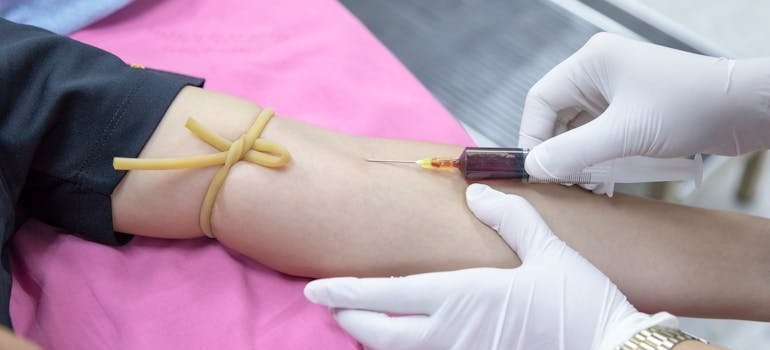
How is NIPT Done?
- Sample collection: A simple blood sample is drawn from the mother’s vein.
- Analysis: The laboratory examines the fetal DNA for chromosomal abnormalities.
- Results: Typically available within one to two weeks.
Types of non-invasive prenatal tests (NIPT)
At IntroLab, we use advanced next-generation sequencing (NGS) technology to offer a range of NIPT tests tailored to meet your specific needs:
- Prenatal BASIC Test
- Prenatal PLUS Test
- Prenatal EXPERT Test
- Prenatal PREMIUM Test
- Prenatal ALL CHROMOSOMES Test
- Prenatal SPECIAL Test
- Prenatal SPECIAL + SMA Test
Additional genetic tests during the prenatal period
In addition to standard NIPT tests, IntroLab also offers specialized genetic panels using NGS technology:
- Autoinflammatory Diseases Panel
- Cardiomyopathy Panel
- Arrhythmia Panel
- Marfan Syndrome Panel
- Epilepsy Panel
- Clinical Exome Sequencing
- Molecular Karyotype
These tests are particularly helpful for pregnant women with a family history of specific genetic disorders or when there is a need for a more detailed analysis.
Diagnostic prenatal tests
Unlike screening tests, diagnostic tests offer definitive information about the genetic condition of the fetus. These tests are invasive and carry some risk to the pregnancy but are necessary when screening results indicate a high risk of genetic disorders. Diagnostic tests involve collecting samples from the amniotic fluid or placental tissue for a thorough analysis.
The most common diagnostic prenatal tests are:
- Amniocentesis – A procedure that collects a sample of amniotic fluid for detailed examination.
- Chorionic Villus Sampling (CVS) – A test that involves taking a sample of placental tissue (chorionic villi) for genetic analysis.
What is Amniocentesis?
Amniocentesis is a diagnostic test typically performed between the 15th and 20th week of pregnancy. It involves taking a small sample of amniotic fluid, which contains fetal cells, for genetic analysis.
How is it performed?
- Preparation: The abdomen is sterilized under ultrasound guidance.
- Procedure: A thin needle is carefully inserted through the abdomen into the uterus to collect amniotic fluid.
- Duration: The procedure takes just a few minutes.
- Risks: There is a slight risk of miscarriage or infection (less than 1%).
What can amniocentesis detect?
Amniocentesis can identify:
- Chromosomal abnormalities (e.g., Down syndrome)
- Genetic disorders (if a known mutation is present)
- Neural tube defects (e.g., spina bifida)
What is chorionic villus sampling (CVS)?
Chorionic Villus Sampling (CVS) is a diagnostic test conducted between the 10th and 13th week of pregnancy. This procedure involves taking a sample of chorionic villi from the placenta, which contain the same genetic material as the fetus. CVS enables early detection of chromosomal abnormalities and specific genetic disorders.
How is it performed?
CVS can be performed in two ways:
- Transcervical approach: A thin tube or catheter is inserted through the cervix to access the placenta.
- Transabdominal approach: A thin needle is inserted through the abdomen to reach the placenta.
Both methods are conducted under ultrasound guidance to ensure accuracy and safety during the procedure.
What does CVS detect?
This test can identify:
- Chromosomal abnormalities.
- Specific genetic mutations (if they are known).
- Certain metabolic disorders.
Advantages of CVS
One of the main benefits of CVS is the ability to conduct early testing, allowing results to be obtained sooner than with amniocentesis. Typically, results are available within a few days, providing parents with more time to make informed decisions.
Disadvantages and Risks
While CVS is a valuable diagnostic tool, it does come with certain disadvantages and risks. The risk of complications, such as miscarriage, is comparable to that of amniocentesis (less than 1%). Additionally, CVS cannot detect neural tube defects like spina bifida; further analysis is needed for that.
Accuracy of prenatal tests
Non-invasive prenatal tests (NIPT) provide a high level of accuracy:
- Over 99% for detecting Down syndrome
- 97–99% for Edwards syndrome
- 90–95% for Patau syndrome
While NIPT are very accurate, they are screening tests and do not offer a definitive diagnosis. If a positive result is obtained, it is advisable to confirm it with a diagnostic test.
Diagnostic tests such as amniocentesis and CVS have an accuracy rate close to 100%, as they directly analyze fetal genetic material. However, these tests are invasive and carry a small risk of complications.

How to choose the right prenatal test
Selecting a prenatal test is an important decision for expectant parents. Here are several factors to consider:
- Doctor’s recommendations: Your doctor will recommend the appropriate prenatal test based on your personal and family medical history, as well as your health status during pregnancy. It’s essential to discuss your preferences and concerns openly with your doctor.
- Risks and benefits of each test: Consider the advantages and potential risks associated with different tests. NIPT is non-invasive and safe but serves as a screening test. In contrast, diagnostic tests are invasive but provide a definitive diagnosis.
- Financial considerations: The cost of tests can vary, so it’s wise to explore different options and check if your health insurance offers reimbursement for any of the tests.
Preparation for prenatal testing
Most prenatal tests do not require any special preparation. You can eat and drink normally before providing a blood sample. For invasive tests, your doctor will give you specific instructions.
Prenatal testing can be stressful, so it’s beneficial to discuss your feelings with your partner, family, or a counselor to prepare emotionally. Open communication can help ease the process and enable you to make informed decisions.
If you have a family history of genetic disorders, consulting a genetic counselor can provide valuable information and support. At IntroLab, we offer genetic counseling to help you understand potential risks and available options.
Cost of prenatal tests
The cost of prenatal tests, particularly NIPT tests, can vary significantly based on the type of test, the number of chromosomes analyzed, and the laboratory or clinic where the testing is performed.
Price range for non-invasive prenatal tests
On average, the prices for NIPT tests typically fall within the following ranges:
- Basic NIPT tests: Prices start at 76,582 dinars and can go up to 82,482 dinars, depending on the laboratory and the extent of the analysis.
- Advanced NIPT tests (covering more chromosomes): Prices range from 94,282 to 106,082 RSD, depending on the number of chromosomes analyzed and the genetic conditions included.
- Most advanced prenatal tests (analyzing all chromosomes): Prices can be significantly higher, ranging from 153,282 to 176,882 dinars, based on specific additional analyses and the laboratory providing the service.
What affects the cost of prenatal tests?
- Type of test: Tests that analyze only the most common chromosomal disorders are typically more affordable, while those that include more detailed analyses are priced higher.
- Scope of analysis: Tests offering a comprehensive examination of all chromosomes or including additional genetic analyses generally come at a higher cost.
- Laboratory and technology: Prices can vary depending on the laboratory performing the analysis and the technology used.
Frequently asked questions
What if a prenatal test shows abnormal results?
If a screening test, such as NIPT, indicates an increased risk for a certain disorder, your doctor will recommend a diagnostic test, such as amniocentesis or chorionic villus sampling, for confirmation. It’s important to discuss the next steps with your doctor or a genetic counselor.
Does health insurance cover the costs of prenatal tests?
Coverage for prenatal tests varies depending on your insurance provider and the type of policy you have. It’s advisable to contact your insurance company for accurate information.
Is genetic counseling necessary before or after prenatal testing?
Genetic counseling can be beneficial both before and after testing, especially if you have a family history of genetic disorders or if the test results indicate abnormalities.
Can NIPT detect microdeletions and microduplications?
Some advanced NIPT tests can detect certain microdeletions and microduplications, which are small genetic changes that may affect the child’s health.
Is it possible to perform NIPT in the case of a twin pregnancy?
Yes, NIPT can be performed during twin pregnancies, but there are limitations regarding accuracy and the types of disorders that can be detected.
How do I choose the right prenatal test for me?
Selecting the appropriate prenatal test depends on several factors, including your health status, family history, and personal preferences. Consulting with a doctor or genetic counselor is recommended.
Are there weight limitations for mothers regarding NIPT?
A high body mass index (BMI) can affect the amount of fetal DNA in the mother’s blood, making analysis more challenging. In such cases, it may be necessary to repeat the test or consider alternatives.
Are prenatal tests mandatory?
Prenatal tests are not mandatory. The decision to undergo testing is entirely personal and should be made after consulting with a healthcare professional.
Can I have prenatal tests if I used donor eggs or sperm?
Yes, NIPT can be performed in cases of donor pregnancies, but it’s important to inform the laboratory and doctor about this for accurate interpretation of the results.
Until what week can prenatal tests be performed?
Non-invasive prenatal tests (NIPT) can be conducted starting from the 10th week of pregnancy and can be performed until the end of the pregnancy. However, it is recommended to complete the test as early as possible so that the results can influence further decisions and care planning. Diagnostic tests, such as amniocentesis, are usually performed between the 15th and 20th weeks of pregnancy.
Can prenatal tests make mistakes in determining gender?
Non-invasive prenatal tests (NIPT) have a high accuracy rate for determining the baby’s gender, exceeding 99%. While the chance of error is minimal, it can occur due to factors such as mosaicism, twin pregnancies, or laboratory technical errors. If there is any doubt, your doctor may recommend additional ultrasound examinations for confirmation.
Do prenatal tests detect autism?
Currently, prenatal tests like NIPT cannot detect autism. Autism is a complex neurological disorder with multifactorial causes, including genetic and environmental factors. There are no specific genetic markers for autism that can be identified by standard prenatal tests.
How can I schedule a prenatal test at IntroLab?
You can contact us by phone, email, or visit our website to schedule an appointment. Our expert team will provide you with all the necessary information and support.
Schedule your NIPT test at IntroLab
Prenatal tests are an important tool for monitoring the health and development of your baby. Understanding the various options and consulting with your doctor will help you make the best decision for your pregnancy. Regardless of which test you choose the most important thing is to feel informed and supported during this crucial time.
If you would like to learn more or schedule a non-invasive prenatal test (NIPT), contact IntroLab. Our expert team is here to provide you with all the necessary information and support. You can visit us, call us, or send an email, and we will be happy to help you choose the most suitable test for your pregnancy. Your health and the health of your baby are our top priorities. Reach out to us with confidence, and together we will ensure the best possible care during this special time in your life.


