 +381 11 3473652

PCR Dermatophyte Test Now Available in Serbia

Changes on the skin, nails, and hair caused by fungal infections can often look similar, but the underlying causes may be different. Because of this, modern laboratory diagnostics are increasingly shifting from traditional methods to molecular testing that allows more precise identification of the organisms responsible for infection. IntroLab in Belgrade is now introducing a PCR dermatophyte test, an advanced molecular analysis designed to detect the most common causes of fungal infections of the skin, nails, and hair. This test represents a new generation of dermatophyte diagnostics in human medicine in Serbia, as it enables detection of fungal genetic material directly from the sample.
What Are Dermatophytes?
Dermatophytes are microscopic fungi that can cause infections of the skin, nails, and hair. They feed on keratin, a protein found in the outer layer of the skin as well as in hair and nails.
The most common species belong to the genera Trichophyton, Microsporum, and Epidermophyton, which are responsible for different types of superficial fungal infections known as dermatophytosis.
These infections may present as changes in the skin, scaling, itching, or damage to the nails and hair.

Modern Diagnostics for Fungal Infections
When fungal infections of the skin and nails are suspected, or when changes affecting the hair occur, it is often necessary to confirm the presence of the causative organism and, when possible, determine the specific type of fungus involved.
PCR analysis uses molecular technology to detect the genetic material of dermatophytes directly in the sample. This approach allows for more precise identification of specific pathogens and serves as a modern complement to existing laboratory diagnostic methods.
The test can identify dermatophytes such as:
- Epidermophyton floccosum
- Trichophyton spp.
- Microsporum canis complex
- Nannizzia gypsea
This analysis helps confirm the presence of dermatophytes in cases involving changes to the skin, nails, or hair.
Which Samples Can Be Tested with PCR Dermatophyte Test?
PCR dermatophyte analysis can be performed using several types of samples taken from the affected area:
- nail scrapings
- hair samples
- skin swabs
This allows the analysis to be useful in a variety of clinical situations where a fungal infection is suspected.
Results in 2–3 Days
One of the key advantages of PCR testing is the speed of results.
Because this molecular method detects the genetic material of dermatophytes directly in the sample, results are typically available within 2 to 3 days.
Who Is PCR Dermatophyte Testing For?
This test is intended for individuals with suspected fungal infections of the skin and nails, as well as dermatophyte-related changes affecting the hair.
It may be helpful in cases of:
- long-lasting skin or nail changes
- recurring symptoms
- unclear clinical presentation
- situations where previous tests did not provide a clear result
- cases where confirmation of dermatophytes included in the PCR panel is needed
The test can be performed for:
- adults
- children
It is most commonly performed in people who have symptoms or visible changes that raise suspicion of a dermatophyte infection. In some cases, testing may also be recommended when there is clinical or epidemiological suspicion, even if symptoms are not clearly present.
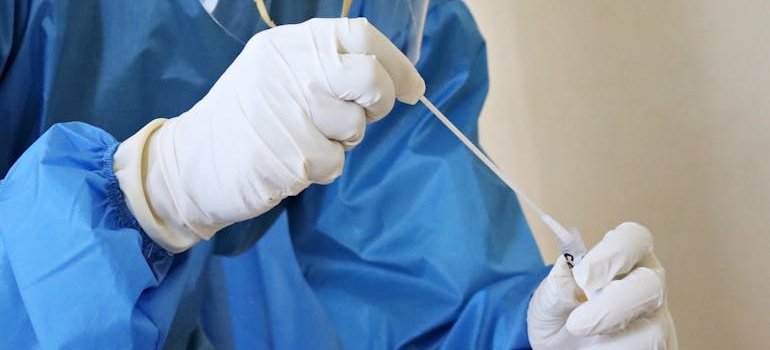
What Is the Difference Between PCR Testing and Standard Dermatophyte Tests?
Several laboratory methods can be used to confirm a fungal infection caused by dermatophytes. At IntroLab Laboratory, the Dermatophyte DMP test is already available and is used to detect the presence of dermatophytes in a sample.
The main difference lies in the testing approach.
The DMP test indicates whether dermatophytes are present in the sample, while PCR testing detects the DNA of specific dermatophytes included in the test panel.
Because of this, PCR represents a more targeted molecular method that can help more precisely identify the cause of changes affecting the skin, hair, or nails.
Frequently Asked Questions About PCR Dermatophyte Testing
Is special preparation required before PCR dermatophyte testing?
In most cases, no special preparation is required. It is important that the sample is taken from the affected area of the skin, nails, or hair according to the instructions of a healthcare professional. It is recommended to perform the test at least 7–14 days after stopping local therapy, or 3–4 weeks after systemic antifungal therapy, in order to obtain the most reliable result.
Is sample collection painful?
Sample collection for dermatophyte testing is simple and usually painless. Typically, a small amount of material is taken from the surface of the skin, nail, or hair.
Can PCR testing help with long-lasting skin or nail changes?
PCR testing may be helpful when changes on the skin or nails persist for a long time or recur, as it allows detection of the genetic material of specific dermatophytes included in the test panel.
Can PCR dermatophyte testing be performed in children?
Yes. PCR dermatophyte testing can be performed in adults, children, and infants when a dermatophyte infection of the skin, hair, or nails is suspected.
How can you check if a nail infection is caused by fungus?
A fungal nail infection can be confirmed through laboratory analysis of a nail sample. The sample is taken from the affected area and examined in the laboratory to confirm the presence of dermatophytes or other fungi.
Testing Available at IntroLab Laboratory in Belgrade
This molecular dermatophyte test is now available at IntroLab in Belgrade as part of modern laboratory diagnostics. By introducing PCR testing for dermatophytes, IntroLab provides a new testing option that can help more precisely determine the cause of changes affecting the skin, hair, and nails.
For more information about the PCR dermatophyte test and sample collection, you can contact IntroLab to schedule an appointment.


