 +381 11 3473652

Insulin resistance and diet: How are they connected?

We are increasingly hearing about insulin resistance (IR). The reason for this is the growing number of people affected by this condition. The main factor influencing the development of insulin resistance is lifestyle, which is why it is often referred to as a disease of modern times. However, lifestyle is not the only cause, as this condition occurs in children as well as adults. Diet plays a significant role in both the onset and treatment of insulin resistance. Experts from IntroLab, one of the best laboratories in Belgrade, reveal how insulin resistance and diet are connected and how this condition can be kept under control.
What is insulin resistance?
When this condition is mentioned, many think that insulin resistance is diabetes. However, although insulin resistance can lead to diabetes, these two conditions are different. Insulin resistance is a type of defense mechanism. It is essentially the resistance of cells to insulin.
Because the cells do not allow insulin to perform its function (distributing glucose from the blood into the cells), there is an increased secretion of insulin. As the cells do not respond to insulin, glucose accumulates in the blood, leading to an excessive level of blood sugar.

What are the most common symptoms of insulin resistance?
Given that glucose is one of the main sources of energy when its distribution process is not functioning properly, it leads to a lack of energy, chronic fatigue, exhaustion, and drowsiness. Additionally, some of the symptoms include:
- Obesity (fat deposits, especially around the waist, abdomen, and hips)
- Increased hunger and craving for refined carbohydrates
- High blood pressure and elevated cholesterol levels
- Increased and frequent thirst
- Easy weight gain despite a proper diet and difficulty losing weight
- Irregular menstrual cycle
- Distractibility and poor concentration
- Apathy and depression
Insulin resistance and diet – Everything you need to know
As we mentioned in the introduction, lifestyle affects the development of insulin resistance. This lifestyle typically involves a diet consisting mainly of carbohydrates, specifically refined carbohydrates and sugars. Such a diet is the main reason why obesity is one of the primary symptoms of insulin resistance. On the other hand, proper nutrition can help individuals with IR lead a quality life and minimize symptoms.
Improper diet
Improper diet in insulin resistance primarily affects trace elements. Specifically, a deficiency in zinc, chromium, and manganese can make insulin less effective. Trans fats present in the diet make cell membranes more rigid, further hindering insulin transport.
Chromium, zinc, and manganese are crucial for carbohydrate metabolism because, in combination with insulin, they improve glucose utilization. Chromium can be found in foods such as whole grains, broccoli, mushrooms, brewer’s yeast, potatoes, and grapes. Consuming too many refined products and refined sugar can lead to high chromium consumption. Simple tests, such as chromium analysis, can determine if its level is low.

If the diet is not varied and is based on simple foods, it can lead to a decrease in active chromium, which may weaken the effectiveness of insulin in the body over time. Additionally, manganese is important for insulin efficiency at the cellular level, and its deficiency can affect this function. Manganese is most commonly found in foods such as nuts, egg yolks, and leafy green vegetables.
Proper diet
Insulin resistance and diet do not necessarily have to have a negative relationship. The best way to control this condition is to minimize the consumption of sweets and salty snacks or to eliminate them entirely. Frequent consumption of food between main meals is not recommended, as it continuously triggers the digestion process and insulin secretion. Ideally, there should be at least one to two hours between two meals.
Of course, there is a solution for situations where we cannot have more main meals within a period of two or three hours. For example, a combination of citrus fruits like tangerines with nuts or unsalted seeds can be an excellent choice if we want to stay full longer. Nuts are a rich source of protein and fats, which help balance the fructose intake from the fruit. If you expect the next meal to be in two to three hours, you can also include a dairy product without added sugar and fat.
How is insulin resistance determined?
To determine if a person is suffering from insulin resistance, various tests and examinations need to be conducted. The first step is taking a medical history. This includes information about the symptoms you are experiencing, as well as personal and family medical history. After that, the following tests are performed:
- Glucose Test (measuring blood sugar levels) – This measures the level of glucose in the blood after fasting overnight.
- Insulin Level Measurement – This test also involves directly measuring the insulin levels in the blood after fasting overnight.
- OGTT (Oral Glucose Tolerance Test) – This measures the concentration of glucose before and after consuming a glucose solution, with or without insulin measurement, as determined by your doctor.
- HOMA Index – Calculated based on glucose and insulin levels in the blood, using a formula to estimate insulin resistance.
- Hemoglobin A1c Test (HbA1c) – Shows the average blood glucose level over the past 2 to 3 months.
- Lipid Profile – This group of tests determines the concentrations of cholesterol and triglycerides in the blood.
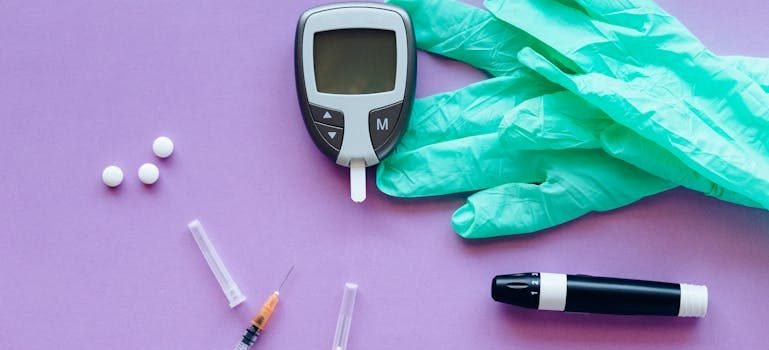
Insulin resistance can be controlled
From all that has been mentioned, it is clear that insulin resistance and diet are closely connected. Along with certain therapies, fiber-rich foods are the best ally for individuals with insulin resistance. Additionally, nutrients such as vitamin D, chromium, magnesium, and alpha-lipoic acid are important for insulin metabolism. Sufficient sleep and physical activity also contribute to reducing insulin resistance. At the first signs, even before any tests are done, it’s essential to change negative eating habits. With regular check-ups, examinations, and analyses, and by consuming healthy foods, insulin resistance can be kept under control.


