 +381 11 3473652

How to Recognize Hemophilia Early and Spot the First Symptoms

Many people are not familiar with hemophilia until they face serious bleeding issues. That’s why it’s important to know how to recognize hemophilia early. This disorder makes it difficult for blood to clot quickly due to a lack of clotting factors. Even minor injuries can cause prolonged bleeding, and sometimes bleeding occurs without any obvious cause. That’s why IntroLab is here to provide you with the information you need to recognize hemophilia early and ensure an accurate diagnosis and appropriate treatment.
What Is Hemophilia?
Hemophilia is an inherited blood clotting disorder caused by a deficiency in clotting factors, making it difficult for the body to stop bleeding. Because of this, even minor injuries can lead to prolonged bleeding, and in more severe cases, spontaneous internal bleeding may occur.
The word “hemophilia” comes from the Greek words haima (blood) and philia (friendship), meaning “love of blood,” referring to the difficulty in blood clotting among those affected.
It is also known as the “royal disease” due to its frequent occurrence in European royal families.
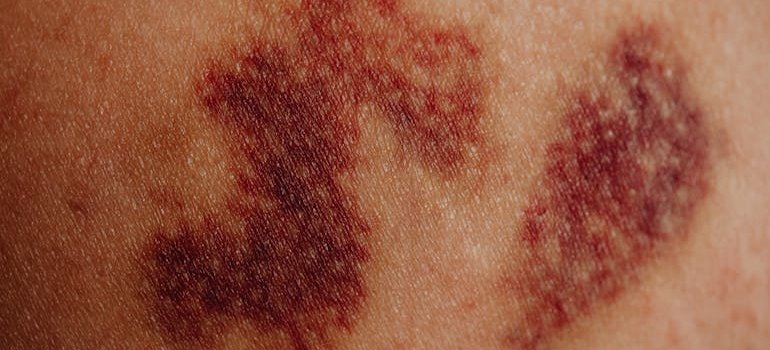
What Are the Most Common Symptoms of Hemophilia?
Hemophilia most often presents through prolonged or difficult-to-stop bleeding, even after minor injuries or scratches. The most common symptoms include:
- Frequent and prolonged bleeding from cuts or after minor surgeries and dental procedures
- Large bruises appearing without a clear reason or after mild impacts
- Joint bleeding that causes pain, swelling, and limited mobility
- Muscle bleeding that can lead to swelling and pain
- Unexplained nosebleeds or bleeding from the gums
- Prolonged bleeding after tooth extraction or other dental work
- In more severe forms of the disease, bleeding can occur spontaneously without any visible cause
These symptoms may be present from early childhood, especially in children with more severe forms of hemophilia.
Types of Hemophilia and How They Differ
There are two main types of hemophilia, which differ based on the specific clotting factor that is deficient or absent:
Hemophilia A
Hemophilia A is the most common form of the disorder and is caused by a deficiency of clotting factor VIII. It accounts for about 80 to 85 percent of all cases and occurs in approximately 1 in 5,000 male newborns. The severity of the condition depends on the level of factor VIII in the blood:
- Severe form: Factor VIII level is less than 1%. This causes frequent and spontaneous bleeding, especially in the joints and muscles.
- Moderate form: Factor level between 1% and 5%. Bleeding usually occurs after injuries or minor surgeries; spontaneous bleeding is less common.
- Mild form: Factor level between 5% and 40%. Bleeding is rare and generally happens after significant trauma or medical procedures.
Hemophilia A is a genetic disorder passed down through the X chromosome. It mostly affects males, while females are typically carriers and rarely show symptoms.
Hemophilia B
Hemophilia B, also known as Christmas disease, is caused by a deficiency of clotting factor IX. It accounts for about 15 to 20 percent of all cases and occurs in approximately 1 in 25,000 to 30,000 male newborns. Like Hemophilia A, it is classified based on the severity of the condition:
- Severe form: Factor IX level is less than 1%. Causes frequent and spontaneous bleeding, especially in the joints and soft tissues.
- Moderate form: Factor level between 1% and 5%. Bleeding usually occurs after injuries or medical procedures.
- Mild form: Factor level between 5% and 40%. Bleeding is rare and typically follows major trauma or surgery.
Hemophilia B follows the same inheritance pattern as Hemophilia A — through the X chromosome, primarily affecting males.
Both types of hemophilia require precise measurement of clotting factor levels for accurate diagnosis and treatment, as therapy and monitoring plans are adjusted based on these levels.
How Is Hemophilia Diagnosed
The diagnosis of hemophilia begins with an evaluation of symptoms and family history and is confirmed through a series of laboratory tests, which fall into two main categories: hematological and genetic.
Hematological tests include various blood tests that assess overall health and clotting function, such as:
- Complete blood count (CBC) with white blood cell differential
- Prothrombin time (PT)
- Activated partial thromboplastin time (aPTT)
- Specific tests to measure the function and levels of clotting factors VIII and IX
These tests help detect abnormalities in the blood clotting process and determine the severity of the factor deficiency.
Genetic testing involves various methods of gene analysis that can identify mutations responsible for hemophilia. Examples include:
- Gene sequencing for factor VIII or IX
- Analysis of deletions or insertions in the genes
- Prenatal genetic testing for early detection of the condition
Understanding the genetic cause of the disease helps in family counseling and planning appropriate care.

Treatment of Hemophilia
The treatment of hemophilia is based on replacing the missing clotting factors in order to prevent or stop bleeding. There are two main approaches:
- Factor replacement therapy: This is the most common and effective form of treatment and involves the infusion of concentrated clotting factor VIII or IX. This therapy can be given regularly (prophylactically) to prevent bleeding episodes or as needed when bleeding occurs.
- Medication therapy: In some cases, medications are used to help the blood clot or reduce bleeding, such as desmopressin (especially in mild forms of hemophilia A).
In addition to these treatments, it is important to have regular medical monitoring, physical therapy to maintain joint mobility, and education on proper disease management and injury prevention.
Possible Complications of Hemophilia
If not properly managed, hemophilia can lead to serious complications that significantly affect health and quality of life:
- Hemarthrosis: bleeding into the joints that causes pain, swelling, and long-term joint damage. Repeated hemarthrosis can lead to permanent deformities and limited mobility.
- Muscle bleeding: can cause swelling and pressure on surrounding tissues, sometimes affecting nerves and blood vessels.
- Internal bleeding: in organs such as the brain, lungs, or intestines, which can be life-threatening if not recognized and treated in time.
- Development of antibodies (inhibitors): in some cases, the body develops an immune response to clotting factor therapy, making treatment more difficult.
- Transfusion-related infections: although the risk is greatly reduced with modern methods, blood transfusions and blood products can still carry a risk of transmitting infections.
Timely treatment and regular monitoring can reduce the risk of these complications and allow individuals with hemophilia to lead active and fulfilling lives.
Tips for Everyday Life with Hemophilia
Living with hemophilia requires care and adaptation to reduce the risk of injuries and bleeding. Here are some important recommendations:
- Avoid activities with a high risk of injury, such as contact sports or dangerous physical activities. Safer sports like swimming or cycling are recommended.
- Regularly monitor your condition with a doctor and follow the prescribed treatment to prevent unwanted bleeding episodes.
- Maintain a healthy diet and overall well-being, as good general health supports greater resilience.
- Inform your family, friends, and coworkers about your condition so they know how to respond in emergencies.
- Always wear medical identification or a bracelet with information about your hemophilia and emergency contact details.
- Be cautious with medications, especially those that can affect blood clotting, such as aspirin or certain nonsteroidal anti-inflammatory drugs.
- Exercise regularly in consultation with your doctor or physical therapist to maintain muscle strength and joint mobility.
By following these tips, you can significantly improve your quality of life and reduce the risk of complications associated with hemophilia.
Recognize Hemophilia Early and Prevent Serious Complications
Hemophilia is not an easy condition, but today there are ways to live well and fully despite it. The most important thing is to recognize hemophilia in time, identify the symptoms, and make the right diagnosis, as this opens the door to proper treatment that can prevent serious complications. With the right therapy and regular check-ups, people with hemophilia can lead full lives and enjoy the activities they love. It’s important to stay informed, follow medical advice, and never hesitate to seek help when needed. Taking care of yourself and having the support of those around you makes a big difference.


