 +381 11 3473652

Colon Inflammation: Types, Symptoms, Causes, and Diagnosis

Abdominal pain, changes in bowel movement patterns, bloating, or traces of blood in the stool are symptoms that should not be ignored. While many associate them with temporary infections or stress, they can often indicate a more serious condition — colon inflammation. This inflammatory disease can have various causes, ranging from infections and medications to autoimmune disorders such as Crohn’s disease and ulcerative colitis. That’s why it’s important to recognize the early signs of colon inflammation and know which tests to perform at the IntroLab in Belgrade to get a clear diagnosis.
What Is Colon Inflammation and When Does It Become Serious?
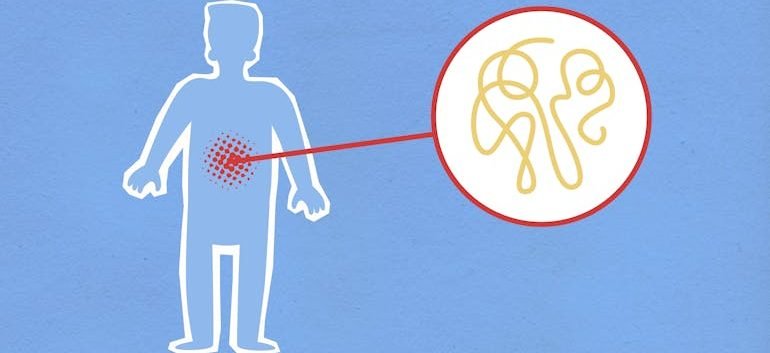
Colon inflammation, medically known as colitis, refers to inflammation of the lining of the large intestine. This condition can be acute — appearing suddenly and lasting a short time — or chronic, developing gradually and lasting for months or even years. In some cases, the inflammation affects only the end part of the colon (proctitis), while in more severe cases, it may involve the entire colon.
The inflammation may result from an infection, an immune system disorder, poor circulation, or even a reaction to medication. Regardless of the cause, inflammation disrupts the normal function of the colon, leads to uncomfortable symptoms, and, if left untreated, can cause serious complications such as bleeding, scarring, or narrowing of the colon.

Types of Colon Inflammation
Colon inflammation can have different causes and disease progressions. It varies in duration, underlying mechanisms, affected regions, and treatment approaches.
Infectious Colitis
Infectious colitis occurs as a result of bacterial, viral, or parasitic infections. The most common pathogens include:
- Salmonella, Shigella, Campylobacter
- Clostridium difficile (often after antibiotic therapy)
- Rotaviruses, adenoviruses (more common in children)
- Parasites such as Entamoeba histolytica or Giardia lamblia
Symptoms include sudden diarrhea, fever, abdominal pain, and sometimes blood in the stool. This type of inflammation is often resolved with antibiotic or symptomatic treatment, but more severe cases may require hospitalization.
Autoimmune Colitis (Chronic Inflammatory Bowel Diseases)
These conditions occur when the immune system mistakenly attacks the lining of the intestine, causing chronic inflammation. The two main diagnoses are:
Crohn’s Disease
- Can affect any part of the digestive tract, but most commonly involves the junction between the small and large intestine
- The inflammation spreads through all layers of the bowel wall and can lead to fistulas and strictures
Ulcerative Colitis
- Affects only the large intestine, starting from the rectum and extending upward
- Inflammation is limited to the mucosal (surface) layer
Key Difference: Ulcerative colitis is confined to the colon and affects only the superficial lining, while Crohn’s disease can involve the entire digestive tract and penetrates deeper into the bowel tissue.
Ischemic Colitis
This form of inflammation occurs when blood flow to the colon is temporarily or permanently reduced. It most commonly affects older adults, especially after surgical procedures, dehydration, or heart conditions.
Medication- and Radiation-Induced Colitis
Certain medications, particularly nonsteroidal anti-inflammatory drugs (NSAIDs) and antibiotics, can damage the intestinal lining and trigger inflammation.
Radiation therapy to the pelvic area, typically during cancer treatment, can also lead to post-radiation proctitis – a painful and chronic inflammation of the rectum.
Common Symptoms of Colon Inflammation
Symptoms of colon inflammation can vary depending on the cause, severity, and location of the inflammation. Some may appear suddenly and be intense, while others develop gradually and persist over time. In any case, these issues should not be ignored, as they may signal a serious condition that requires medical evaluation and treatment.
Typical symptoms include:
- Abdominal pain – often in the lower left quadrant, but it can also be diffuse
- Diarrhea – frequent, loose stools, sometimes with blood or mucus
- Constipation – particularly common in cases of proctitis
- Cramping and bloating – especially after meals
- Tenesmus – a frequent urge to defecate without relief
- Blood or mucus in the stool
- Fever – more common in infectious forms
- Fatigue and loss of appetite
In chronic inflammatory bowel diseases (such as Crohn’s disease), symptoms can last for months and may include systemic signs like weight loss, anemia, and general weakness.
Causes and Risk Factors for Colon Inflammation
Colon inflammation can occur for a variety of reasons. In some individuals, the cause is a clear infection, while in others, it results from a complex interplay of immune and genetic factors. In certain cases, the condition develops as a consequence of unhealthy habits or prior medical treatments.
Primary causes include:
- Bacterial infections – most often caused by contaminated food or water (Salmonella, E. coli, Campylobacter, Clostridium difficile)
- Viral infections – particularly in children and immunocompromised individuals
- Parasitic infections – such as Giardia lamblia or Entamoeba histolytica
- Autoimmune disorders – including Crohn’s disease and ulcerative colitis
- Reduced blood flow – the underlying cause of ischemic colitis
- Medication use – especially antibiotics, NSAIDs, and chemotherapy drugs
- Radiation therapy – in patients who have undergone pelvic-area treatment
Risk factors that increase the likelihood of developing the condition:
- Family history of inflammatory bowel disease
- Recent use of antibiotics or hospitalization (linked to Clostridium difficile)
- Smoking (especially increases the risk of Crohn’s disease)
- Unbalanced diet high in additives and low in fiber
- Chronic stress and lack of physical activity
- Weakened immune system (e.g., in people with HIV or post-transplant patients)
Which Tests Should Be Done for Colon Inflammation?
Accurate diagnosis of colon inflammation requires a combination of laboratory tests, microbiological evaluations, and imaging or visual exams. The goal is to identify the cause of inflammation, rule out infections, assess the severity of the condition, and confirm whether it’s a chronic disease such as Crohn’s disease or ulcerative colitis.
Laboratory tests include:
- Complete blood count (CBC): May reveal anemia, elevated white blood cells (leukocytosis), or signs of infection
- CRP and ESR (erythrocyte sedimentation rate): Markers of systemic inflammation
- Fecal calprotectin: A specific marker of intestinal mucosal inflammation, useful in distinguishing IBD (Inflammatory Bowel Disease) from IBS (Irritable Bowel Syndrome)
- Biochemical tests (electrolytes, albumin, GGT): Helps assess dehydration, protein loss, and overall health status
- Immunological tests (pANCA, ASCA): Can assist in differentiating Crohn’s disease from ulcerative colitis
Stool microbiological tests:
- Bacterial culture and swab: To detect pathogenic bacteria
- Tests for Clostridium difficile toxins
- Parasitological analysis: Performed when intestinal parasites are suspected
- PCR tests: Used for rapid detection of viral and bacterial pathogens
Imaging and visualization methods:
- Colonoscopy: The most important method for visually examining the colon and collecting tissue samples (biopsy)
- Rectoscopy: Used for localized inflammation in the lower part of the colon
- Biopsy: Essential for confirming the diagnosis of chronic conditions
- CT or MR enterography: Recommended when complications of Crohn’s disease are suspected (e.g., fistulas, strictures)
- Abdominal ultrasound: A useful initial method for evaluating abdominal pain and bloating
All of these tests can be performed at the IntroLab, with expert guidance and interpretation of the results.
How Is Colon Inflammation Treated?
Treatment of colon inflammation depends on its cause, type, and severity of symptoms. The goal is to eliminate the source of inflammation, relieve symptoms, and prevent complications. In mild cases, dietary adjustments and symptomatic treatment are usually sufficient, while more severe forms may require medication or even hospitalization.
Treatment of infectious colitis
- Antibiotics are used for bacterial infections — such as ciprofloxacin or metronidazole (after confirming the specific pathogen)
- In cases of Clostridium difficile infection, targeted therapies such as oral vancomycin are administered
- For viral infections, treatment is generally supportive: hydration, probiotics, and rest
Treatment of autoimmune colitis (Crohn’s Disease, Ulcerative Colitis)
- Aminosalicylates (mesalazine): For mild to moderate cases
- Corticosteroids: For rapid reduction of active inflammation
- Immunosuppressants (azathioprine, methotrexate): To maintain remission
- Biologic therapy (anti-TNF drugs, integrins): For severe or treatment-resistant cases
- Low-fiber diet: Recommended during active disease flare-ups
- Probiotics and supplements (iron, vitamin B12): As needed, based on deficiencies or symptoms
Treatment of ischemic and drug-induced colitis
- For ischemic colitis: Fluid replacement, close monitoring, and, in some cases, surgical intervention
- For medication-induced damage: Discontinuation of the offending drug and supportive care
Lifestyle changes and support
- Avoid foods that irritate the colon (e.g., spicy, fried foods, alcohol)
- Maintain proper hydration and engage in moderate physical activity
- Manage stress and ensure quality sleep
- Seek psychological support in chronic cases for better coping and quality of life

When to See a Doctor
Colon inflammation may sometimes resolve on its own, but in many cases, it requires timely diagnosis and treatment. Ignoring the symptoms can lead to worsening of the condition, complications, and chronic issues that significantly affect quality of life.
Contact a doctor immediately if you notice:
- Blood in your stool or black, tarry stools
- Frequent diarrhea lasting more than 3–5 days
- Nighttime diarrhea (often a sign of chronic inflammation)
- Persistent abdominal pain or cramping
- Unexplained weight loss
- Fever and fatigue
- A family history of Crohn’s disease, ulcerative colitis, or autoimmune disorders
Early medical consultation and timely testing enable accurate diagnosis, appropriate treatment, and prevention of long-term consequences.
Frequently Asked Questions
What does colon pain feel like?
The pain is usually crampy and located in the lower left part of the abdomen, but it can also be more diffuse. It often worsens after meals or just before a bowel movement and may be accompanied by bloating, gas, and a feeling of pressure.
How long does colon inflammation last?
Duration depends on the cause. Acute infections typically last from a few days to two weeks. Chronic conditions such as Crohn’s disease and ulcerative colitis have a relapsing course and require long-term monitoring.
Can colon inflammation be cured?
Infectious forms are usually treatable. Chronic autoimmune conditions cannot be completely cured but can be managed with long-term therapy to extend remission phases and reduce symptoms.
How can you tell the difference between colon inflammation and irritable bowel syndrome (IBS)?
Colon inflammation is associated with objective markers (e.g., elevated CRP, fecal calprotectin, or blood in the stool), whereas IBS does not involve inflammation or mucosal damage. IBS symptoms are more often related to stress and typically do not occur at night.
Can gut bacteria cause inflammation?
Yes. Bacteria such as Salmonella, E. coli, Campylobacter, and Clostridium difficile can lead to serious infectious colitis. An imbalance in the gut microbiome can also contribute to inflammation.
Can colon inflammation cause constipation?
Yes. Although diarrhea is more common, constipation may occur in cases of proctitis or certain types of colitis, often accompanied by a feeling of incomplete evacuation or straining.
Can colon inflammation cause back pain?
In some cases, especially when inflammation affects the lower part of the colon or complications are present (e.g., fistulas in Crohn’s disease), the pain may radiate to the lower back.
Can stress trigger colon inflammation?
Stress does not directly cause inflammation, but in individuals with a predisposition, it can worsen symptoms and trigger flare-ups of chronic conditions like ulcerative colitis or Crohn’s disease.
Take Action Early and Protect Your Gut Health
Colon inflammation can have many causes – from temporary infections to serious chronic conditions. Recognizing the symptoms, understanding potential risks, and getting timely diagnostic testing are key to effective treatment and long-term well-being. Don’t ignore signs like abdominal pain, frequent changes in bowel habits, or the presence of blood in your stool. The sooner you identify the cause, the better your chances of preventing complications and quickly returning to your normal routine. Schedule your lab tests at IntroLab and get clear answers about what’s happening with your colon.


