 +381 11 3473652

Chest Pressure While Resting: Causes and When to Seek Help

Unlike sharp pain that occurs suddenly and often indicates an acute problem, chest pressure while resting is a more vague sensation—such as tightness, heaviness, or discomfort in the chest area. Many people experience this type of pressure without exertion, meaning it appears while at rest and without prior physical activity, which makes identifying the cause more difficult. This symptom may be mild and temporary, but it should not be ignored—especially if it recurs or lasts longer. In some cases, it may point to issues with the heart, lungs, digestive system, or be a result of psychological tension. That’s why it’s important to pay attention to the signals your body is sending and seek professional advice in a timely manner.
How Does Chest Pressure While Resting Manifest?
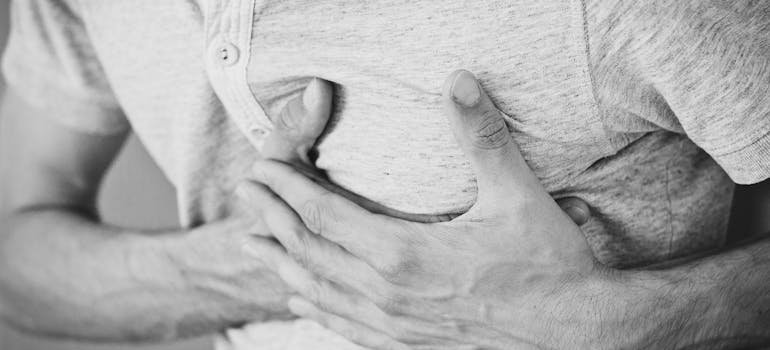
Chest pressure while resting is typically described as a sensation of heaviness, tightness, or tension in the chest area. Unlike sharp or stabbing pain, this symptom can be constant or intermittent and often occurs without a clear trigger. It may appear while sitting, resting, or even during sleep. Some people describe it as feeling like a “weight on the chest,” while others report a dull discomfort that doesn’t radiate but doesn’t go away easily either.
Accompanying symptoms may include:
- Difficulty breathing or shallow breaths
- Rapid or irregular heartbeat
- Sweating, weakness, or lightheadedness
- Restlessness, a feeling of suffocation, or panic
Although chest pressure while resting is often milder than acute chest pain, that doesn’t mean it’s harmless – it can be a sign of an underlying issue that needs medical attention.

Cardiac Causes of Chest Pressure
Heart-related issues are among the most common reasons for chest pressure, even when a person is not physically active. Conditions such as angina pectoris, weakened heart muscle, or arrhythmias can cause sensations of tightness, heaviness, or discomfort that may radiate to the left arm, neck, or jaw. These symptoms can also occur while resting, especially in the evening hours. Particularly concerning are symptoms that are recurring, last more than a few minutes, or are accompanied by sweating and shortness of breath. In such cases, prompt cardiac evaluation is essential—this may include an EKG, echocardiogram, Holter monitor, or a stress test.
Pulmonary Causes of Chest Pressure and Discomfort
Lung conditions can cause a type of chest pressure that feels deep, especially during breathing. In some patients, chest discomfort while resting may point to mild pneumonia, bronchitis, asthma, or even a pulmonary embolism.
Additional symptoms may include shortness of breath, coughing, rapid breathing, and a low-grade fever. In such cases, recommended diagnostics include a chest X-ray, spirometry, oxygen saturation measurement, and, if needed, lab tests such as CRP and D-dimer.
Digestive Causes – When the Stomach Presses on the Chest
Heartburn, acid reflux (GERD), gastritis, and esophageal spasms can create a burning sensation or pressure in the chest, especially after meals or when lying down. These symptoms are often misinterpreted as heart problems because they can mimic angina. Identifying a digestive cause is important—this type of pressure is typically accompanied by belching, a sour taste in the throat, bloating, and discomfort behind the breastbone. Recommended diagnostics may include a gastroscopy, testing for Helicobacter pylori, and liver and gallbladder function tests.
Musculoskeletal Causes – When Chest Pain Originates from the Chest Wall
Chest pain and pressure can be caused by muscle strain, shoulder tension, poor posture, or overexertion of the chest muscles. Unlike heart-related issues, this type of pain often intensifies with movement, pressure on the chest wall, or deep breathing. It commonly affects people who sit for extended periods, perform physical labor, or stretch improperly. Physical therapy, rest, and applying local heat can be effective, but if symptoms persist, it’s important to rule out other underlying causes.
Psychological Causes – When Stress Creates Chest Pressure
Anxiety and panic attacks can cause intense chest pressure even in the absence of any physical condition. People often describe it as a feeling of tightness, restlessness, or an inability to take a deep breath. These symptoms are commonly accompanied by a rapid heartbeat, sweating, tingling in the hands, and a sense of impending doom. While not life-threatening, psychosomatic symptoms can significantly interfere with daily functioning. It’s important to distinguish them from physical causes and address them with psychological support and relaxation techniques.
Hormones and Thyroid – Silent Causes of Discomfort
Thyroid disorders, especially hyperthyroidism, can cause a sensation of chest pressure, rapid heartbeat, sweating, and nervousness. Some patients may also experience symptoms such as insomnia, weight loss, and tremors.
Hormonal imbalance can also contribute to anxiety, which further worsens the subjective feeling of tension in the chest. Recommended tests in such cases include TSH levels and thyroid antibodies (anti-TPO, anti-TG).
When to Seek Urgent Medical Attention
Chest pressure without physical exertion doesn’t always indicate a serious issue, but in certain situations, it’s important not to delay seeking medical attention. An urgent evaluation is necessary if the discomfort is:
- Frequent or worsening over time
- Accompanied by shortness of breath or a rapid heartbeat
- Combined with sweating, dizziness, or a feeling of weakness
- Radiating to the left arm, neck, or jaw
- Associated with a sense of panic or persistent internal pressure
People with existing heart conditions, high blood pressure, diabetes, or thyroid disorders should not ignore even mild symptoms. Timely evaluation helps clarify the cause and prevent potential complications.

Don’t Wait for the Pain to Get Worse
Chest pressure while resting is often underestimated because it doesn’t cause sudden pain or interfere with daily activities. However, even mild discomfort can be a sign of an underlying issue that requires attention. Many people ignore these symptoms, assuming they’ll go away on their own—but that delay can lead to more serious complications.
If the symptoms persist or recur for more than a few days, it’s important to consult a doctor. All necessary lab tests your physician may recommend—such as inflammatory markers, thyroid hormones, liver enzymes, mineral levels, D-dimer, and other indicators—can be performed quickly and reliably at IntroLab. Early detection often makes a critical difference, so take action without delay.


