 +381 11 3473652

Male Infertility: Causes, Symptoms and Treatment Options

For many couples, the path to parenthood is not easy. When pregnancy does not occur for a long time, feelings of doubt, fear, and helplessness often become part of daily life. When it turns out that the cause lies with the man rather than the woman, the situation can become even more difficult due to social stigma and the tendency to stay silent about the issue. However, male infertility is not an unsolvable problem. With timely diagnosis, professional treatment, and partner support, it is now possible to successfully address most causes and achieve the dream of starting a family.
What Is Male Infertility
Male infertility refers to a man’s inability to fertilize his partner after one year of regular, unprotected sexual intercourse. This does not mean that the man cannot ejaculate, but that his semen lacks a sufficient number of healthy, motile sperm capable of fertilization.

According to the World Health Organization (WHO), in nearly 50 percent of infertility cases among couples, the cause lies with the man. It is estimated that over 60 million men worldwide experience reduced fertility, and the average sperm quality has declined by about 50 percent over the past forty years. This trend is especially noticeable in developed countries, where factors such as stress, pollution, and unhealthy lifestyle habits further impact reproductive health.
Although these numbers may seem concerning, most causes of male infertility can be identified and successfully treated. Timely fertility testing is therefore the first step toward a solution and achieving the goal of parenthood.
Most Common Causes of Male Infertility
The causes of male infertility can vary, ranging from physiological and hormonal disorders to genetic and psychological factors. Because of this, it is essential to approach each case individually.
Sperm-related problems
Sperm quality plays a key role in male fertility. When changes affect the number, shape, or motility of sperm cells, the chances of fertilization decrease significantly. The most common disorders include:
- Low sperm count (oligospermia): The ejaculate contains a reduced number of sperm cells, lowering the likelihood of one reaching the egg.
- Poor sperm motility (asthenospermia): Sperm move too slowly or irregularly, making it difficult for them to reach and fertilize the egg.
- Abnormal sperm morphology (teratospermia): Structural abnormalities in the head, neck, or tail of the sperm can interfere with its ability to move through the female reproductive tract.
- Complete absence of sperm (azoospermia): No sperm are found in the ejaculate, which may be caused by a blockage in the ducts, hormonal imbalances, or genetic changes.
- Sperm DNA damage: This can result from oxidative stress, infections, toxin exposure, or prolonged overheating of the testicles, all of which reduce fertility potential.
Once these abnormalities are identified, a detailed diagnostic evaluation is necessary to determine the underlying cause and select the most effective treatment approach.
Hormonal Disorders and Genetic Factors
Hormonal balance is essential for the normal production of sperm. When the levels of testosterone, FSH, or LH are disrupted, the process of sperm maturation can slow down or even stop entirely. In such cases, additional symptoms often appear, such as decreased libido, fatigue, and loss of muscle mass.
Genetic factors can also play a significant role in the development of male infertility. Y chromosome deletions, Klinefelter syndrome, and structural changes in genes involved in sperm production are often identified only through detailed analysis. In some cases, genetic abnormalities can affect the structure of the testicles or lead to a complete absence of sperm in the ejaculate.
Infections of the Reproductive System
Sexually transmitted infections, particularly chlamydia, can damage the seminal ducts or testicles, leading to reduced fertility. The challenge is that more than half of men experience no symptoms, so the infection often goes undetected. If untreated, it can cause inflammation of the prostate or epididymis and may result in a permanent decrease in sperm count.
Impact of Lifestyle and Environmental Factors
Lifestyle and environmental influences play a significant role in male reproductive health. Smoking, excessive alcohol consumption, obesity, and prolonged stress can all impair sperm quality and lower sperm count. Exposure to chemicals, pesticides, or radiation further burdens the body and disrupts hormonal balance.
Prolonged sitting, wearing tight clothing, and elevated temperature in the testicular area can slow sperm production. Therefore, moderate physical activity, a balanced diet, and avoiding habits that increase testicular temperature are strongly recommended.
Symptoms and Signs of Male Infertility
Male infertility often has no obvious symptoms and is most commonly discovered after unsuccessful attempts for a partner to conceive. However, some signs may indicate a problem, such as:
- reduced libido or erectile dysfunction,
- pain, swelling, or a feeling of heaviness in the testicles,
- decreased volume of ejaculate,
- reduced body hair or changes in voice (signs of hormonal imbalance).
In most men, symptoms are mild or absent, which is why preventive testing is recommended if pregnancy does not occur after 12 months of regular unprotected intercourse.
Diagnosis of Male Infertility
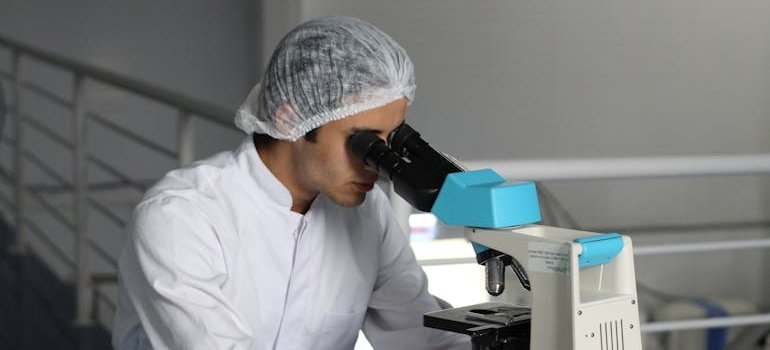
Determining the cause of male infertility begins with a detailed consultation and examination by a specialist. The doctor takes a medical history that includes information about overall health, lifestyle habits, previous illnesses, and possible injuries. Based on this information, appropriate tests are recommended to provide an accurate assessment of fertility status.
- Semen analysis (spermogram) is the basic test used to evaluate the number, motility, and shape of sperm cells, as well as the volume and appearance of the ejaculate. This analysis helps determine whether the sperm have the ability to fertilize an egg. If the results show abnormalities, further testing is usually performed.
- Hormonal testing helps determine whether the body is producing sufficient amounts of hormones necessary for sperm production. The levels of testosterone, FSH, LH, and prolactin are typically measured, as their imbalance may indicate a problem in the testes or pituitary gland.
- Genetic testing detects chromosomal or gene abnormalities that affect sperm production. These analyses often include testing for AZF Y microdeletions (15 loci), as the loss of these regions can result in a reduced sperm count or complete absence of sperm.
- Ultrasound examination of the testicles is used to evaluate their structure and identify conditions such as varicocele, cysts, or duct obstruction. In some cases, microbiological analysis of semen is also performed to check for infections that may negatively impact fertility.
The doctor then reviews all the collected information to determine the most suitable treatment plan and provide recommendations that can help improve natural reproductive function.
Modern Treatments for Male Infertility
The treatment of male infertility depends on the underlying cause and diagnostic findings. In most cases, the approach is individualized, with the goal of improving sperm quality and increasing the chances of natural conception—or, if that is not possible, achieving pregnancy through advanced reproductive methods.
Lifestyle Changes and Supplementation
In mild cases, lifestyle adjustments can significantly improve fertility. Quitting smoking and alcohol, engaging in regular physical activity, eating a balanced diet rich in zinc, selenium, and vitamin E, and managing stress often lead to noticeable results. Certain dietary supplements can also help improve sperm quality, but they should only be used under a doctor’s guidance.
Hormonska terapija i lekovi
Kada su hormonski poremećaji uzrok problema, lekar može preporučiti terapiju koja balansira nivo testosterona ili stimuliše proizvodnju spermatozoida. U slučaju infekcija, primenjuju se antibiotici i antiinflamatorni lekovi.
Surgical Methods and Assisted Reproductive Techniques (IUI, IVF, ICSI)
When physical obstructions such as varicocele or blocked seminal ducts are the cause, surgical correction may be an effective solution. In cases where natural conception is not possible, assisted reproductive techniques are used — intrauterine insemination (IUI), in vitro fertilization (IVF), or intracytoplasmic sperm injection (ICSI). The ICSI method enables fertilization even when the sperm count is very low.

Prevention and Partner Support
Certain changes in daily habits can help improve fertility even before test results are available. It is recommended to:
- wear loose-fitting underwear and avoid overheating the testicles,
- limit the use of saunas and hot baths,
- avoid placing laptops on your lap for extended periods,
- exercise moderately without excessive strain or the use of anabolic steroids,
- reduce stress and ensure adequate rest.
The Path to Parenthood Begins Early
Male infertility is not a problem without a solution. Thanks to modern diagnostic methods and treatments, more and more couples are successfully achieving parenthood. The most important step is not to delay testing and to seek professional evaluation in time.
At IntroLab, you can undergo analyses that provide a precise insight into the causes of reduced fertility, including hormonal tests, microbiological analyses, and genetic testing such as AZF Y microdeletion analysis. Timely diagnosis offers the best chance to restore fertility and fulfill the dream of becoming a parent.


