 +381 11 3473652

Low Blood Pressure: What You Need to Know About Hypotension

Low blood pressure, also known as hypotension, occurs when blood pressure readings are lower than normal — most commonly below 90/60 mmHg. Although it’s often considered harmless, significantly low blood pressure can cause a range of uncomfortable symptoms such as dizziness, weakness, and fainting. For some people, it is naturally low and requires no treatment, but if blood pressure drops suddenly or causes discomfort, it is important to identify the cause and determine the proper course of treatment.
What It Means to Have Low Blood Pressure
Blood pressure measures the force with which blood pushes against the walls of your arteries as the heart pumps. In adults, normal values are around 120/80 mmHg. When the systolic (upper) pressure drops below 90 and the diastolic (lower) pressure falls below 60 mmHg, this is considered hypotension.
Low blood pressure is not always a sign of disease — many people have it throughout their lives and feel perfectly fine. However, if it causes dizziness, fainting, or blurred vision, it may indicate that the body is not getting enough oxygen and blood flow.
Symptoms of Low Blood Pressure
The symptoms of low blood pressure can be mild but may become quite uncomfortable if blood pressure drops suddenly. They occur when the brain and other organs do not receive enough oxygen, which can lead to feelings of weakness and instability.
The most common symptoms include:
- dizziness and a feeling of unsteadiness
- blurred vision
- cold hands and feet
- general weakness and fatigue
- pale skin
- rapid or irregular pulse
- shortness of breath or difficulty breathing
- sweating and cold, clammy skin
- fainting or loss of consciousness
If these symptoms appear suddenly, especially after standing up, physical exertion, or exposure to heat, it’s important to act promptly. Such episodes may indicate heart problems, hormonal imbalances, or dehydration, so a medical examination is recommended.
The Most Common Causes of Low Blood Pressure
The causes of low blood pressure can vary depending on age, overall health, and lifestyle. In some people, hypotension is hereditary and causes no discomfort, while in others it may indicate a more serious underlying condition.
The most common causes include:
- Dehydration – loss of fluids through sweating, vomiting, diarrhea, or insufficient water intake.
- Heart conditions – weak heart function, arrhythmias, or valve problems can reduce blood flow to the arteries.
- Endocrine disorders – thyroid disease, adrenal gland dysfunction, or low blood sugar (hypoglycemia).
- Infections and inflammation – especially when blood pressure drops as part of sepsis.
- Medications – antihypertensives, antidepressants, diuretics, and heart medications may cause low blood pressure as a side effect.
- Pregnancy – due to hormonal changes and the dilation of blood vessels.
- Older age – reduced vessel tone and slower reflexes can affect how the body regulates pressure.
- Standing up quickly or standing for long periods – can cause a temporary drop in pressure, known as orthostatic hypotension.
- Heat and high temperatures – cause blood vessels to widen and increase fluid loss
Less commonly, low blood pressure may result from anemia, vitamin B12 or folate deficiency, or prolonged physical exhaustion. If symptoms occur frequently, it’s important to determine whether an underlying health issue is contributing to low blood pressure.
The Difference Between Low and High Blood Pressure
Although low blood pressure is often considered less dangerous, it’s important to understand its relationship with high blood pressure (hypertension). Hypotension means that blood does not reach the organs in sufficient amounts, while hypertension refers to increased pressure on the artery walls, which over time can damage blood vessels and the heart.
Unlike low blood pressure, which usually causes immediate symptoms such as dizziness and weakness, high blood pressure can go unnoticed for a long time and may only be detected during routine checkups. Both conditions require attention, as they represent deviations from the optimal level of around 120/80 mmHg.
How Low Blood Pressure Is Diagnosed
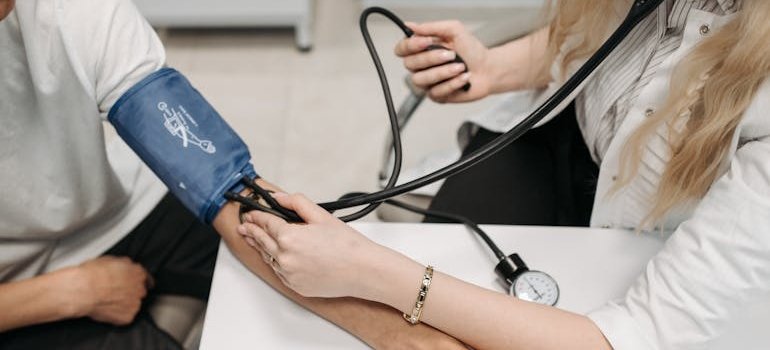
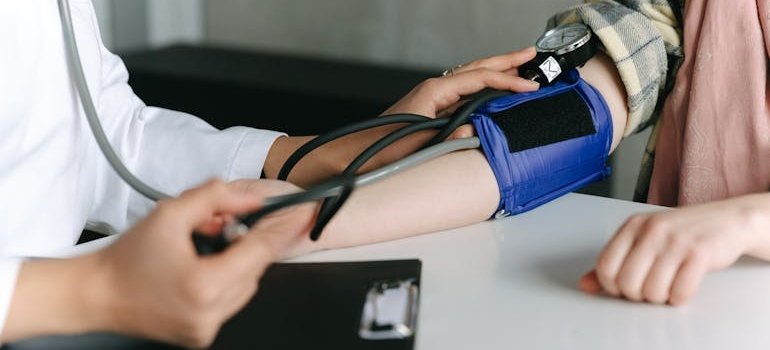
The diagnosis of low blood pressure is based on blood pressure measurements and an analysis of the symptoms reported by the patient. The first step is accurate measurement — taken in a calm state, while seated, and ideally at the same time each day, since readings can vary throughout the day.
When measuring at home, it’s important to use a properly functioning and calibrated device. If low readings occur frequently, it’s necessary to consult a doctor, who will determine whether it’s a temporary condition or a more persistent form of hypotension.
In a medical setting, the following diagnostic procedures are usually performed:
- Electrocardiogram (ECG) – checks heart function and identifies rhythm abnormalities.
- Laboratory tests – assess levels of electrolytes, hemoglobin, and hormones.
- Tilt table test – evaluates how the body reacts to changes in position from lying to standing.
- Heart ultrasound or Doppler ultrasound – performed if needed to assess circulation and heart function.
A combination of these tests helps the doctor determine whether the cause is dehydration, a heart issue, an endocrine disorder, or another condition. Based on the results, the doctor decides whether treatment is needed or if regular monitoring is sufficient.

When to Seek Medical Help
Low blood pressure is usually not an emergency, but there are situations where immediate action is necessary. If fainting, chest pain, rapid breathing, or confusion occur, it may indicate a serious drop in blood flow to the brain and heart.
Additionally, if blood pressure remains below 90/60 mmHg despite rest and adequate fluid intake, it’s important to contact a doctor for further evaluation and testing.
Treatment and Ways to Stabilize Blood Pressure
In mild cases of low blood pressure, medication is usually not required — lifestyle adjustments are often sufficient. The main goal of treatment is to prevent sudden drops in pressure and improve circulation.
The first step in managing hypotension is ensuring adequate fluid intake and maintaining a balanced, regular diet. Instead of three large meals, it’s better to eat smaller portions more frequently throughout the day, as large meals can cause a temporary drop in pressure, especially after eating.
The following habits can help stabilize blood pressure:
- stand up slowly, especially in the morning
- wear compression stockings if leg swelling occurs
- avoid prolonged standing or sudden changes in position
- occasionally drink mineral water and eat slightly salty foods (as advised by your doctor)
These simple measures are often enough to keep blood pressure within a comfortable range. However, if symptoms are pronounced or blood pressure remains consistently low, your doctor may prescribe medication to increase vascular tone, regulate hormone levels, or adjust any existing therapy that lowers blood pressure.
Diet and Lifestyle for Low Blood Pressure
A healthy diet plays a key role in maintaining stable blood pressure. When blood pressure tends to drop frequently, it’s important to include foods rich in protein, fiber, vitamin B12, and folic acid, as these nutrients support circulation and red blood cell production.
Foods that can help raise blood pressure include fish, eggs, whole grains, nuts, and iron-rich vegetables such as spinach and broccoli. Caffeine may temporarily increase blood pressure, but it shouldn’t be relied upon as a long-term solution — maintaining a balanced diet and proper hydration is much more important.
A healthy lifestyle also includes getting enough sleep, staying physically active, and managing stress. Moderate exercise, such as walking or swimming, strengthens blood vessels and helps the body adjust more easily to changes in position. Avoiding sudden movements and prolonged standing can also help prevent unpleasant drops in blood pressure.
Prevention of Low Blood Pressure
Preventing hypotension relies on simple but consistent habits that help keep blood pressure within a normal range. Maintaining a proper balance of fluids and electrolytes is essential, as even mild dehydration can cause a drop in blood pressure.
It’s recommended to drink plenty of water throughout the day, especially during hot weather or physical activity. Stand up slowly, particularly in the morning, to give your body time to adjust. Having a regular breakfast provides energy and helps prevent sudden fluctuations, while avoiding prolonged standing and excessive heat further protects against sudden drops in pressure.
These simple habits don’t require medical treatment but can significantly improve your daily well-being and help prevent discomfort caused by low blood pressure.
Frequently Asked Questions About Low Blood Pressure
Is low blood pressure dangerous?
In most cases, it isn’t dangerous if there are no symptoms. However, if it causes fainting, confusion, shortness of breath, or chest pain, it may indicate a serious issue and requires immediate medical attention.
What’s the difference between low and high blood pressure?
With low blood pressure, blood doesn’t reach the organs adequately, leading to symptoms such as dizziness and weakness. High blood pressure, on the other hand, often has no symptoms but can damage blood vessels over time and increase the risk of heart disease and stroke.
When should you see a doctor about low blood pressure?
If your readings often fall below 90/60 mmHg and are accompanied by dizziness, fainting, a rapid pulse, or chest pain, you should consult a doctor. The same applies if symptoms appear suddenly after standing up or exposure to heat.
How can you naturally raise low blood pressure?
Drink plenty of water, eat smaller meals more frequently, and get up slowly from bed. With your doctor’s approval, you can slightly increase your salt intake, and occasionally drinking mineral water may also help.
Does caffeine help with low blood pressure?
Caffeine can temporarily raise blood pressure, but it’s not a lasting solution. Staying hydrated, eating a balanced diet, and maintaining a healthy lifestyle are far more effective for long-term stability.
Is salt good for hypotension?
A moderate increase in salt intake can help, but only under medical guidance. Too much salt increases the risk of high blood pressure and puts strain on the heart and kidneys.
How to measure blood pressure correctly at home?
Sit quietly for a few minutes before measuring, place the cuff on your upper arm at heart level, and avoid talking during the process. Record your readings every morning and evening to track changes.
Which medications can lower blood pressure?
Some medications — such as antihypertensives, diuretics, antidepressants, and heart medicines — can lower blood pressure as a side effect. Never adjust or stop your treatment without consulting your doctor.
Is low blood pressure during pregnancy normal?
Low blood pressure is common during pregnancy due to hormonal changes and blood vessel dilation. It’s usually harmless, but if frequent dizziness or fainting occurs, inform your gynecologist.
Do athletes often have low blood pressure?
Yes, athletes often have lower readings due to good physical fitness and strong heart function. However, if dizziness appears, it’s important to review hydration and nutrition.
How can you prevent a drop in blood pressure after eating?
Choose smaller, balanced meals rich in protein and fiber. Avoid heavy or very sweet meals, and rest in a seated position after eating to prevent a sudden drop in pressure.
Can anemia cause low blood pressure?
Yes. A lack of iron, vitamin B12, or folic acid reduces the oxygen level in the blood, which can lead to dizziness, weakness, and fainting. If these symptoms occur frequently, it’s important to have a blood test.
Stable Blood Pressure for a Better Quality of Life
Low blood pressure usually doesn’t pose a serious risk, but it can significantly affect everyday life. If you often experience weakness, dizziness, or fainting, it’s important to identify the cause and monitor your blood pressure levels. Reliable laboratory tests, such as those available at IntroLab in Belgrade, can help assess parameters that influence circulation, electrolytes, and organ function.
A balanced diet, adequate fluid intake, sufficient sleep, and regular monitoring are the best ways to keep blood pressure under control. Taking care of your blood pressure isn’t just about treatment — it’s part of a daily routine that preserves your energy, focus, and overall well-being. It’s always better to act in time, because stable blood pressure means stable health.


