 +381 11 3473652

The HPV Vaccine Protects Against Cancer – But What If You Didn’t Get It?

HPV is one of the most common viruses today – so widespread that most sexually active people are expected to come into contact with it at some point. In most cases, the infection goes unnoticed and causes no symptoms. However, certain strains, especially HPV 16 and 18, can remain in the body for years and lead to serious health issues, including cancer. Statistics show that over 80% of people carry some form of HPV, often without knowing it. The HPV vaccine significantly reduces the risk of infection with the most dangerous strains. But if you didn’t get vaccinated, your chances of already carrying the virus, without knowing it, are much higher. That’s why early testing is a key step in prevention.
What Is HPV and Why Is It Dangerous
HPV (human papillomavirus) is a group of viruses that infect the skin and mucous membranes. More than 200 types have been identified, around 40 of which are transmitted through sexual contact. Most infections clear up on their own, but certain strains can lead to serious health problems.
How Does HPV Spread?
HPV is a sexually transmitted infection (STI) most commonly spread through vaginal, oral, or anal sex via direct contact with the skin or mucous membranes. The virus can also be transmitted without penetration, through intimate contact with an infected area. While condoms can reduce the risk, they do not provide full protection because HPV can infect areas of the skin not covered by a condom.
The main concern is that HPV usually causes no symptoms—not even when high-risk strains are present. As a result, many people only discover they’re infected after serious complications have developed.
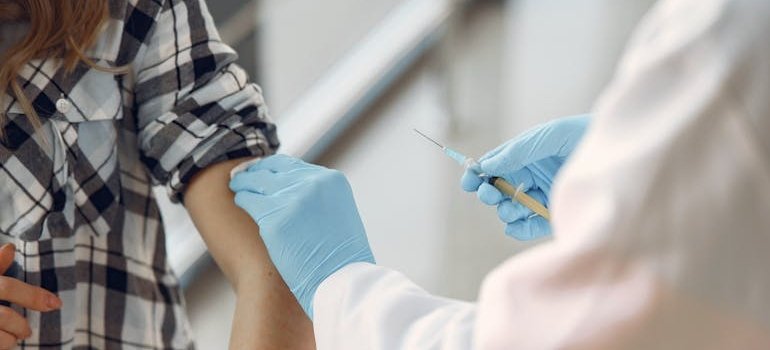
HPV Vaccine – Protection Against High-Risk Strains
The HPV vaccine is the most effective preventive measure against high-risk strains of the virus, particularly HPV 16 and 18, which are the leading causes of cervical cancer and other HPV-related malignancies.
It is recommended for girls and boys between the ages of 9 and 14, before their first sexual activity. However, older individuals who haven’t been exposed to all strains of the virus can also benefit.
The benefits of vaccination include:
- Reduced risk of cancer
- Prevention of the most dangerous HPV infections
- Enhanced overall protection when combined with regular screenings
The vaccine is administered in 2 or 3 doses, depending on age and health status. It does not replace regular checkups but complements them in preventing long-term consequences.
Which HPV Types Are the Most Dangerous
HPV types are classified as either low-risk or high-risk. Low-risk types most commonly cause genital warts, while high-risk types can lead to cellular changes that may develop into cancer over time.
Among the most dangerous are HPV 16 and HPV 18, which stand out for their ability to cause long-lasting, undetectable changes to the mucous membranes. These strains are associated with:
- Cervical cancer (more than 70% of cases)
- Anal, penile, vulvar, and vaginal cancers
- Cancers of the mouth, tongue, and throat (oropharyngeal cancers)
Although HPV is often discussed in the context of women’s health, the virus also affects men. In men, high-risk types have been linked to prostate cancer and oropharyngeal cancers – especially when the infection persists without symptoms.
This is why early detection is a critical step in preventing serious consequences – for both women and men.

How to Know If You’re Infected – Don’t Panic, There’s a Test
At IntroLab in Belgrade, one of the most comprehensive HPV tests available in the region is offered – HPV QUANT–21, which detects 21 different HPV types. This test is ideal for individuals seeking a detailed risk assessment, especially those with multiple partners, chronic mucosal changes, or anyone looking for thorough screening.
For those interested in checking specifically for the most dangerous strains, HPV 16/18 analysis is a fast and targeted option. It’s currently available at a 50% discount. Take advantage of this limited-time offer to protect your health early.
Testing is recommended if:
- You are unvaccinated and want to check your status
- You have skin or mucosal changes (e.g., warts or cervical abnormalities)
- You’re undergoing routine gynecological or urogenital exams
- You have multiple partners or are in a new relationship
HPV 16/18 testing is simple, quick, and painless:
- For women: cervical swab
- For men: urethral swab or urine sample
Results are available within 72 hours. No special preparation is needed—just avoid using vaginal tablets, antibiotics, or having sexual intercourse 24–48 hours before sample collection.

Frequently Asked Questions About HPV Testing
Should men get tested for HPV?
Yes. Although HPV is most often discussed in the context of women’s health, the virus also affects men. Testing is especially recommended if there are visible changes on the skin or mucous membranes, frequent changes in sexual partners, or suspected infection.
How reliable is the test?
The HPV PCR test is one of the most reliable methods for detecting the virus. It can identify HPV even when no symptoms are present, and genotyping accurately detects high-risk strains such as HPV 16 and 18.
What if the test shows HPV 16 or 18?
The presence of a high-risk HPV strain does not mean you have cancer, but it does require follow-up and regular monitoring. Early detection allows for timely diagnosis and helps prevent complications.
Can you have HPV without symptoms?
Yes, and that’s actually the most common scenario. Most people don’t realize they’re infected because the infection typically causes no noticeable symptoms. That’s why testing is the only way to know your HPV status for sure.
Does the vaccine still make sense if I already have HPV?
Yes. While the vaccine doesn’t treat existing infections, it can protect you from other strains you haven’t been exposed to. For example, someone infected with HPV 16 can still be vaccinated to gain protection against HPV 18 and other high-risk types. The vaccine may also help strengthen your immune system’s defense against future infections.
Is the HPV vaccine mandatory?
In Serbia, the HPV vaccine is not mandatory, but it is recommended as part of the national immunization program for children ages 9 to 19. It is free for this age group and available in most public health centers. For adults, the vaccine can be given upon a doctor’s recommendation and is paid out of pocket.
HPV Can’t Be Seen – But It Can Be Detected
HPV infections often show no symptoms but can lead to serious health consequences. If you haven’t received the HPV vaccine or are unsure of your status, testing is the first step toward protection. At IntroLab in Belgrade, a precise testing is available for HPV 16 and 18 – the most dangerous strains associated with cancer. It’s fast, painless, and reliable. Schedule your test and take control of your health.


