 +381 11 3473652

How to Recognize the Symptoms of Anemia

How to recognize the symptoms of anemia is something many people wonder when unexplained fatigue and weakness start affecting their daily lives. Anemia is a condition that can impact how you feel and function, often without clear warning signs. If you’re constantly tired, low on energy, or notice your skin looks unusually pale, it might be time to pay closer attention. Visiting a lab like IntroLab in Belgrade and getting regular blood work can help determine if anemia is behind your symptoms. In this article, we’ll walk you through the basics—so you can better understand what to look for and when to seek medical advice.
What Is Anemia
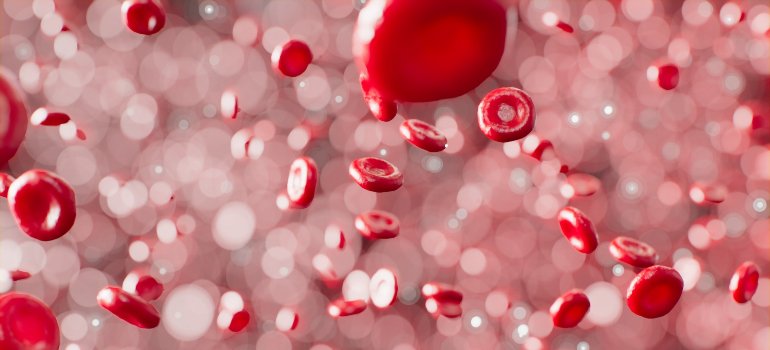
Anemia is a condition in which the number of red blood cells (erythrocytes) or the level of hemoglobin in the blood is lower than normal. Hemoglobin is a protein that allows red blood cells to carry oxygen to all parts of the body. When there’s not enough of it, the oxygen supply to tissues is reduced, leading to fatigue, weakness, and other symptoms.
Think of red blood cells like tiny trucks delivering oxygen – if there aren’t enough of them, or if they’re “empty,” your body can’t function properly and quickly becomes tired.
What Causes Anemia
The most common causes of anemia include:
- A lack of iron in the diet
- Blood loss (due to injury, surgery, or heavy menstrual periods)
- Pregnancy, when the body’s need for iron increases
- Chronic illnesses that affect red blood cell production
It’s important to understand that anemia isn’t a disease itself—it’s a symptom of another underlying issue. That’s why, if you suspect you might have anemia, it’s essential to see a doctor and get lab tests to determine the cause and receive appropriate treatment.
Hemoglobin in the Blood – Why It Matters and What Low Levels Mean
Hemoglobin plays a key role in transporting oxygen from the lungs to every cell in the body. When levels are too low, the body doesn’t get enough oxygen, which leads to common symptoms of anemia.
Normal hemoglobin levels depend on age and gender:
- Women: 120–160 g/L
- Men: 130–180 g/L
- Children: typically 110–160 g/L, depending on age
When hemoglobin is low, the body tries to make up for the lack of oxygen by increasing breathing and heart rate, which puts additional strain on the system.
Another important blood test marker is MCH (mean corpuscular hemoglobin), which shows how much hemoglobin is in each red blood cell. A low MCH level often points to iron-deficiency anemia, meaning the red blood cells contain less hemoglobin than they should.
Regular testing of hemoglobin and related markers (MCV, MCH, ferritin) is essential for accurate diagnosis and monitoring the effectiveness of treatment.
Common Symptoms of Anemia
When people think about anemia, the first symptoms that usually come to mind are fatigue and weakness. If you feel exhausted even after a good night’s sleep, your body may not be getting enough oxygen due to low hemoglobin or a reduced number of red blood cells.
However, anemia symptoms can be broader and more varied – and they often appear gradually. The most common signs include:
- Pale skin and mucous membranes: If your skin looks lighter than usual, or the inside of your lips and tongue appear pale, it could be a sign of low hemoglobin.
- Shortness of breath or a feeling of breathlessness: Difficulty breathing during physical activity (like walking up stairs) is often caused by a lack of oxygen in the blood.
- Dizziness or headaches: Reduced oxygen flow to the brain can lead to lightheadedness, dizziness, or frequent headaches.
- Cold hands and feet: Poor circulation and lower oxygen levels can make your extremities feel cold, even in normal room temperatures.
If you notice any of these symptoms, it’s a good idea to consult your doctor and get the necessary blood tests. Having one or two of these signs doesn’t automatically mean you have anemia – but if they persist, early diagnosis and prevention are key.

Types of Anemia and Their Symptoms
While some symptoms of anemia are common across all forms, certain types have distinct signs that can help with early recognition and diagnosis.
Iron-Deficiency Anemia
This is the most common type of anemia. In addition to chronic fatigue and pale skin, other symptoms may include:
- A sore, smooth, or swollen tongue
- Dry skin and cracked corners of the mouth
- Unusual cravings for non-food items like ice, dirt, or chalk (a condition known as pica)
These symptoms point to a significant iron deficiency and should be confirmed with lab tests such as ferritin and serum iron levels.
Megaloblastic Anemia (Including Pernicious Anemia)
Megaloblastic anemia occurs due to a deficiency of vitamin B12 or folic acid.
Key symptoms may include:
- Tingling or burning sensations in the hands and feet
- Difficulty with walking and balance
- Problems with memory, concentration, and mood changes
Pernicious anemia is a type of megaloblastic anemia in which the body is unable to properly absorb vitamin B12 due to a lack of intrinsic factor in the stomach.
Hemolytic Anemia
Hemolytic anemia occurs when red blood cells are destroyed faster than they can be produced.
Common symptoms include:
- Jaundice (yellowing of the skin and the whites of the eyes)
- Dark urine
- Enlarged spleen, which may cause discomfort in the upper left side of the abdomen
Hemolytic anemia can be either inherited or acquired and often requires additional evaluation and management by a hematologist.
Genetically Inherited Anemias (Hereditary Anemias)
These anemias are caused by inherited genetic mutations that affect the structure or function of red blood cells. They are typically diagnosed in childhood and require specialized, ongoing care.
The most well-known hereditary anemias include:
- Sickle Cell Anemia (Sickle Cell Disease): Red blood cells are misshapen and fragile, leading to frequent pain episodes, anemia, and potential organ damage. Symptoms include chronic fatigue, episodes of severe pain (vaso-occlusive crises), swelling of the hands and feet, and frequent infections.
- Thalassemia: A chronic disorder affecting hemoglobin production, which can lead to severe anemia, facial bone deformities, an enlarged spleen, and slowed growth in children.
- Fanconi Anemia: A rare inherited condition that, in addition to anemia, often involves physical abnormalities, short stature, kidney problems, and an increased risk of leukemia.
Symptoms of hereditary anemias may include:
- Chronic fatigue
- Poor appetite and delayed growth in children
- Frequent infections
- Bone or chest pain
- Significantly enlarged spleen
- Abnormal red blood cell shapes (detected through a peripheral blood smear)
Because of their underlying genetic cause, these anemias require specialized diagnostic evaluations, including genetic testing, and are managed in coordination with a hematologist.
How to Recognize the Symptoms of Anemia in Children
Young children often can’t clearly express how they feel, which can make recognizing the symptoms of anemia challenging. However, there are signs parents and caregivers can spot early.
- Reduced activity: Children with anemia often appear tired and less interested in playing. If your child is sitting or lying down more than usual and avoids physical activity, it may be a sign of low oxygen levels due to decreased hemoglobin.
- Irritability: Increased fussiness, frequent crying, or sudden mood swings – especially without an obvious reason – can be signs of anemia.
- Pale skin: Paleness is especially noticeable on the palms, under the eyes, and inside the lips. This symptom is often more pronounced in young children than in adults.
- Decreased appetite: Children with anemia may lose interest in food, which can lead to weight loss and further fatigue.
- Shortness of breath: If your child breathes quickly or tires easily after mild activity, it could indicate that the heart and lungs are working harder to make up for reduced oxygen in the blood.
Symptoms of anemia in children often develop gradually and can easily be mistaken for normal growth phases or emotional changes.

How Is Anemia Diagnosed
Anemia diagnosis starts with a complete blood count (CBC), but determining the underlying cause and type of anemia often requires additional lab tests.
Basic tests include:
- Complete Blood Count (CBC): A routine test that measures hemoglobin levels, red blood cell count, hematocrit, MCV, MCH, and other important indicators.
- Iron tests: If iron deficiency is suspected, your doctor may order tests to assess iron levels in the blood.
- Ferritin test: The most reliable marker of iron stores in the body. Low ferritin levels almost always indicate iron deficiency.
- Vitamin B12 and folic acid tests: Ordered when megaloblastic anemia is suspected.
Additional and specialized tests:
- Reticulocyte count: Indicates how many new red blood cells the bone marrow is producing. A low count suggests reduced marrow activity, while a high count may point to increased red cell destruction.
- Liver and spleen function tests: Performed when hemolytic anemia is suspected.
- Genetic testing: Recommended when inherited anemias such as Fanconi anemia, thalassemia, or sickle cell disease are suspected.
Based on the results, your doctor will identify the type of anemia and recommend the most effective treatment approach.
Treating Anemia Based on the Underlying Cause
Effective anemia treatment depends on accurately identifying the underlying cause. The approach varies based on the type of anemia, its severity, and the patient’s overall health.
Iron-deficiency anemia
- Iron supplements (taken orally or intravenously, as needed)
- An iron-rich diet (including red meat, liver, legumes, and spinach)
- Vitamin C is often recommended alongside iron to enhance absorption
Megaloblastic / pernicious anemia
- Injections or oral supplements of vitamin B12
- Folic acid supplementation, especially for pregnant women and individuals with increased needs
- In the case of pernicious anemia, treatment is usually lifelong
Hemolytic anemia
- Treatment depends on the underlying cause. In some cases, corticosteroids or immunosuppressants may be needed
- In severe cases, blood transfusions or even spleen removal (splenectomy) may be required
Aplastic anemia
- Treatment typically includes immunosuppressive therapy, blood transfusions, and bone marrow transplantation
- It’s essential to address the underlying cause, if known
Genetic anemias (Fanconi anemia, thalassemia, sickle cell anemia)
- A multidisciplinary approach is often needed
- Ongoing blood transfusions, supplements, and in some cases, stem cell transplantation
- Genetic counseling and specialized hematology care are also important components of long-term management
Frequently Asked Questions About Anemia
- Does low hemoglobin always mean anemia? Low hemoglobin is a key indicator of anemia, but it’s important to identify the cause through additional tests such as ferritin, reticulocyte count, and vitamin B12 levels.
- Can anemia be a sign of a more serious condition? Yes. Anemia is often a symptom of an underlying issue – such as chronic illness, gastrointestinal bleeding, a genetic disorder, or poor nutrient absorption.
- What is the best treatment for anemia? The best treatment depends on the cause. Iron supplements are used for iron-deficiency anemia, while vitamin B12 is prescribed for B12-related anemia. Your doctor will determine the appropriate therapy.
- Are there natural remedies for anemia? Natural remedies include eating foods rich in iron (such as spinach, beets, and meat) and vitamin C. Teas made from nettle or dandelion may offer some support, but they are not a substitute for medical treatment.
- What does a proper diet for anemia look like? A well-balanced anemia-friendly diet should include iron-rich foods (red meat, liver, spinach, legumes) along with vitamin C to enhance absorption. Vitamin B12 and folic acid, found in eggs, dairy products, and leafy greens, are also essential.
- Which supplements help with anemia? Common supplements include iron, folic acid, vitamin B12, and vitamin C. In some cases, zinc and vitamin B6 may also be beneficial.
- Can anemia cause depression? Yes. A lack of oxygen to the brain can lead to fatigue, difficulty concentrating, and depression-like symptoms, especially in cases of vitamin B12 deficiency.
Don’t Ignore the Signals Your Body Sends
Life is full of challenges, but recognizing the symptoms of anemia shouldn’t be one of them. As we rush through our daily routines, it’s easy to overlook the signs our bodies are trying to send. However, understanding and acknowledging those signals is key to protecting our overall well-being. When we know what to watch for and understand how to recognize the symptoms of anemia, we’re empowered to take meaningful steps toward better health, steps that help us return more quickly to the things we love, feeling stronger and more energized.


