 +381 11 3473652

Prostate Cancer: How to Recognize Early Symptoms and When to Get Tested

Prostate cancer is one of the most common malignant diseases in men, with the number of cases increasing each year. Although this type of cancer often develops slowly, it can lead to serious complications if not detected early. Factors such as modern lifestyles, an aging population, and genetics are some of the reasons why it’s crucial to monitor prostate health. Recognizing early symptoms can make the difference between successful treatment and prolonged health issues. However, many men are unaware of the signs they should look out for and when to seek medical advice.
What is the prostate?
The prostate is a walnut-sized gland located below the bladder, through which the urethra passes. In adult men, it weighs between 20 and 30 grams and is divided into four zones, each with a specific function. Its primary role is to produce fluid that forms part of semen, helping transport and sustain sperm. As men age, the prostate typically enlarges, which can lead to urinary problems and increase the risk of developing cancer.

The peripheral zone makes up about 70% of the prostate’s volume and is the most common site for cancer development. This area is rich in glandular tissue that produces most of the seminal fluid, which nourishes and protects sperm. The central zone, which surrounds the ejaculatory ducts, contributes to a smaller portion of seminal fluid and is less commonly affected by cancer. The transitional zone surrounds the urethra and is prone to benign enlargement, which can cause difficulty with urination. The fibromuscular zone, made up of muscle and connective tissue, supports the structure of the prostate and allows its contraction during ejaculation.
Prostate cancer: Causes and risk factors
The exact cause is not completely understood, but genetics and age are thought to play a major role. Men over 50 are at a higher risk, and a family history of prostate or breast cancer can further increase the chances of developing the disease. Besides genetics, certain lifestyle factors, such as a diet rich in saturated fats, physical inactivity, and obesity, may also contribute to the risk.
Prostate cancer symptoms
In its early stages, prostate cancer often does not cause any symptoms, making it hard to detect without regular check-ups. When symptoms do appear, they typically involve urinary issues, such as:
- Frequent urination, especially at night
- A sensation that the bladder is not completely emptied
- Weak or interrupted urine flow
- Pain or discomfort during urination
- Blood in the urine or semen
It’s important to note that these symptoms do not necessarily indicate cancer. They can also be caused by benign prostate enlargement or infections. Therefore, it’s crucial to see a doctor for an accurate diagnosis.
Types and stages
There are several types of prostate cancer, with the most common being adenocarcinoma, which starts in the cells that line the gland. Prostate cancer is classified into stages that describe how much the cancer has spread within the body. The stages range from localized cancer, where the disease is confined to the prostate, to metastatic cancer, where it has spread to other parts of the body, typically the bones and lymph nodes.
- Stage 1: The cancer is confined to a small part of the prostate and does not cause symptoms.
- Stage 2: The cancer is larger but still confined to the prostate.
- Stage 3: The cancer has spread beyond the prostate into nearby tissues.
- Stage 4: The cancer has spread to distant parts of the body.
Knowing the stage of cancer helps doctors choose the most effective treatment plan.

Prostate cancer diagnosis
Diagnosing prostate cancer often begins with a routine examination by a urologist, which includes a digital rectal exam (DRE) and a blood test to measure prostate-specific antigen (PSA) levels. Elevated PSA levels can indicate cancer but may also suggest benign prostate conditions. If there is suspicion of cancer, the next step is a prostate biopsy, where a tissue sample is taken for microscopic analysis.
In addition to a biopsy, doctors may use other methods, such as magnetic resonance imaging (MRI) and CT scans, to obtain a more detailed understanding of the extent of the disease.
Prognosis and treatment
The prognosis for prostate cancer largely depends on the stage at which the disease is diagnosed. When detected early, the chances of successful treatment are very high. Treatment options include:
- Active Surveillance: In some cases, especially for older men, doctors may recommend monitoring the cancer’s progression through regular check-ups without immediate treatment.
- Surgical Removal of the Prostate (Prostatectomy): This option is used when the cancer is confined to the prostate and has not spread to other organs.
- Radiation Therapy: Targeted radiation can destroy cancer cells and is used either alone or in combination with surgery.
- Hormone Therapy: Since prostate cancer may rely on testosterone for growth, reducing the level of this hormone can help manage the disease.
- Chemotherapy: This is typically used in later stages or when the cancer has spread to other parts of the body. The choice of treatment depends on several factors, including the stage of the cancer, the patient’s age, and overall health condition.
Prostate cancer prevention and laboratory tests
While there is no sure way to prevent cancer, research suggests that certain lifestyle changes may help lower the risk. Regular physical activity, a diet rich in fruits and vegetables, and reducing the consumption of saturated fats and red meat can be beneficial for maintaining prostate health.
Additionally, regular check-ups with a urologist and PSA testing after the age of 50 can help with early detection. A PSA panel, which includes Total PSA, free PSA, and the free PSA/Total PSA ratio, is recommended. This comprehensive panel provides a detailed view of prostate health and helps doctors more accurately assess prostate cancer risk. Measuring total PSA levels, along with free PSA and calculating the free PSA/Total PSA ratio, can help distinguish between benign conditions like benign prostate enlargement and potential malignancies.
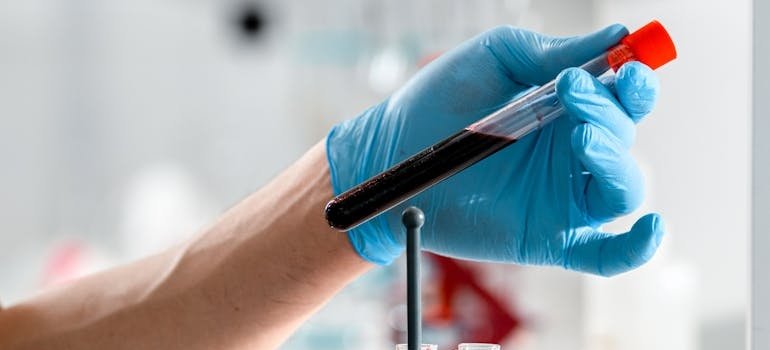
Another step in prevention is genetic testing, such as the BRCA 1 and BRCA 2 test, which identify mutations that increase the risk of cancers, including prostate cancer. This test is non-invasive and performed using next-generation sequencing (NGS), providing precise analysis of genetic predispositions. The results of this test can guide decisions on preventive measures or more frequent screenings.
Take steps for early detection of prostate cancer
Prostate cancer is a serious health condition that requires special attention in terms of prevention and early diagnosis. At IntroLab, we offer tests such as the PSA panel and BRCA 1/BRCA 2, which allow for an accurate assessment of prostate cancer risk. Timely testing and preventive measures are essential for maintaining health. Our team is here to provide you with all the necessary information and support throughout the process.


